- Be ye not unequally yoked together with unbelievers: for what fellowship hath righteousness with unrighteousness? And what communion hath light with darkness?
- And what concord hath Christ with Belial? Or what part hath he that believeth with an infidel?
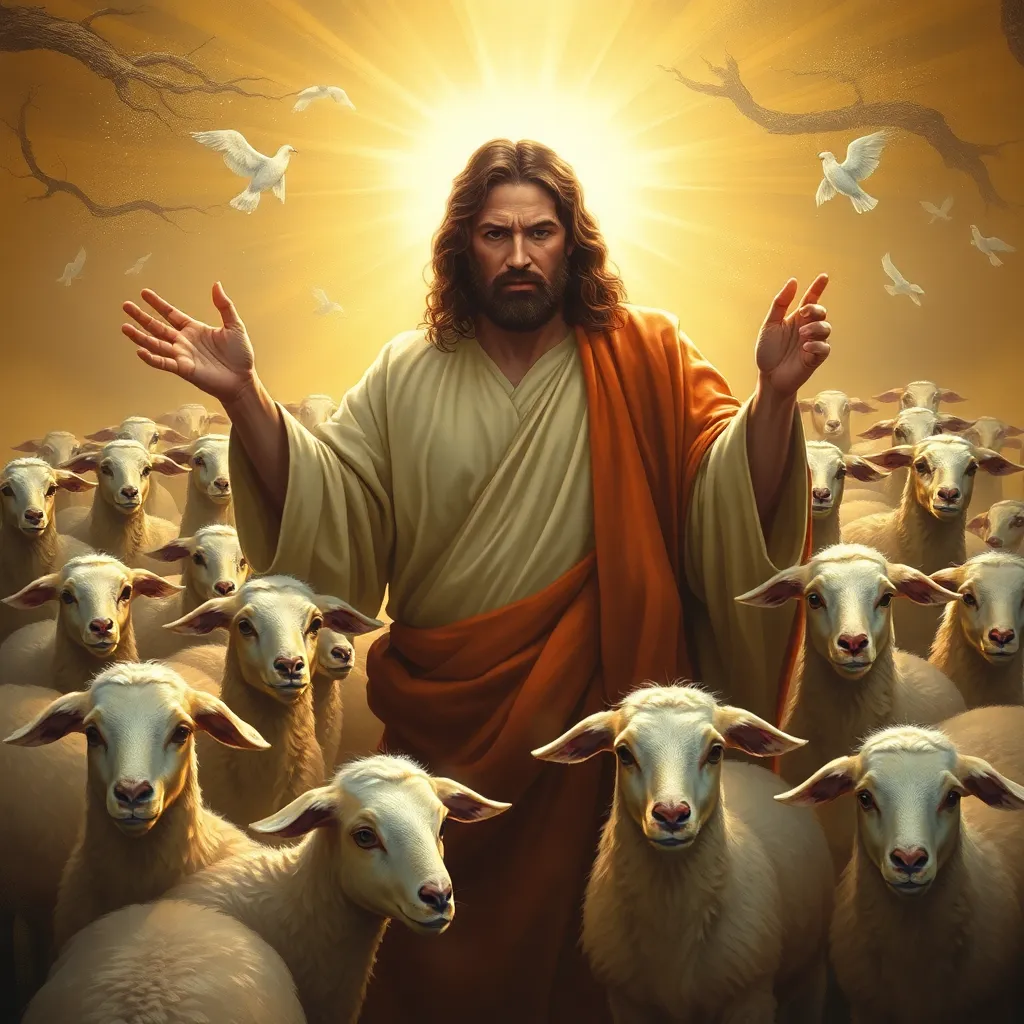
In Paul’s day, farming was a well-respected and essential way of life. Eating from the land wasn’t taken for granted as it is today, so it was common practice to use farming metaphors when teaching spiritual truths. In fact, the word “yoke” appears 49 times in the Bible, showing that who the children of God attach themselves to is of great importance to Him. Jesus has specific instructions about His own yoke in Matthew 11:29-30 stating: “Take my yoke upon you, and learn of me, for I am meek and lowly in heart: and ye shall find rest unto your souls. For my yoke is easy, and my burden is light.”
What we read as the New Testament was not written at the time of Paul’s ministry. When Jesus spoke of His yoke, Paul was still a Pharisee, making unlikely that he would have heard or respected any of Jesus’ teachings. This just adds weight to the significance of the yoke as a metaphor for the believer. It is a picture God intentionally preserved—one the Holy Spirit inspired writers to use across scripture, to teach His people how to walk in unity with Him.
It is impossible to avoid interacting with unbelievers; they are in our workplaces, communities, online spaces, and even in the social gatherings believers attend. Lukewarm believers can find themselves thinking and acting like unbelievers without even realizing it. So while unbelievers will be among us until the end of the age, it remains our duty to protect our faith by limiting the influence we allow them to have over us. Building close relationships with unbelievers risks being subtly led into sin. Gradually, the norms of the world begin to feel acceptable. “Jesus turned water into wine” becomes the justification that leads from casual to excessive drinking. “Try it before you buy it” becomes the excuse for fornication. Believers do stumble and commit sin, but being yoked together with unbelievers increases the danger of drifting into a sin-filled life.
The moral infrastructure that forms the foundation for the unbeliever is built on a completely different framework than that which forms the beliefs of the child of God. Forming a union with the ungodly will undoubtedly shake the framework your foundation is built on—leading to losses that only a complete course correction can regain. It is the kind of spiritual detour that requires being grafted back in again for spiritual restoration after repentance (Romans 11:23)—and the spiritual discipline and chastisement that come with that process is no small matter.