Author: James Cheef Wright

  • Romans 12:1-2 The Soul, The 2nd Dimension of Man

    1. I beseech you therefore brethren, by the mercies of God, that you present your bodies a living sacrifice, holy, and acceptable unto God, which is your reasonable service.
    2. And be ye not conformed to this world: but be ye transformed by the renewing of your mind, that ye may prove what is that good, that acceptable and perfect will of God.

    It is normal for people to have confidence in what they can see. It takes faith to have confidence in what cannot be seen. Everyone can agree that as physical beings we are three-dimensional having height, width, and length. Far fewer understand — or accept — that we are also three-dimensional in our being: spirit, soul, and body. Some may dismiss the spirit altogether while acknowledging the soul and the body — yet still won’t recognize the soul as a true dimension of the complete person. Possibly confusing the soul with the spirit by attributing it to the spiritual realm, without understanding its role in how we think, feel, and choose.

    To understand the soul, it may be best to first understand the spirit. Romans 8:16 says, “For His Spirit joins with our spirit to affirm that we are God’s children.” This verse makes it clear that “His Spirit” refers to the Holy Spirit. When you are born again, your spirit is no longer dead in sin but alive in the spiritual realm. The Holy Spirit communicates with your spirit, providing you with instructions, guidance, and warnings — what the natural world calls intuition.

    When Jesus died on the Cross, the veil of the temple was torn, signifying that the old covenant had ended and the new covenant had begun. Under the new covenant, the children of God gained direct access to Him because the torn veil removed the barrier between God and His people. Under the new covenant your spirit communicates with the Holy Spirit — which is the Spirit of God Himself. When you were born again, it was your spirit that was saved becoming a new creature and adopted by God, not your soul or your body. When you physically die, your spirit sheds its earthly tabernacle — the body. And when God grants eternal life, you will receive a new and glorious body like that of Jesus Christ (Philippians 3:21).

    As for the soul, it is the thought dimension of mankind and lives in the physical realm alongside the flesh — and must choose to surrender to God. Notice the common saying is “sold your soul to the devil, not “sold your spirit to the devil.” Once you are born again, your spirit is made into a new creation, but your flesh still desires the things the god of this world offers: momentary physical pleasures, material distractions, and — just like him — thoughts of superiority. Your thoughts become food for your soul, and your soul in turn feeds your flesh. This is why Paul instructs “be not conformed to this world, but be ye transformed by the renewing of your mind.” Your mind is the collection of thoughts that come from your soul — your deepest, most inner being.

    As previously stated, your spirit belongs to God once you are born again, and the devil has no rights to anything in the Heavenly, spiritual realm. However, your soul is in your hands, and you govern it in this world. This returns us to the gift of free will. Satan did not tempt the spirit of Eve — he attacked her reasoning, her sense of logic, the place where free will is exercised and the depths of the soul are exposed through the thoughts that lead to actions.

    Even under the New Covenant, though the Mosaic/Levitical laws no longer apply, God is still the same and does not change. Speaking for the Lord, Jeremiah 17:10 declares, “I the LORD search the heart and examine the mind, to reward each person according to their conduct, according to what their deeds deserve.” The Holy Spirit examines our souls — the dwelling place of our thoughts, motives, and the intentions that shape our choices.

    Philippians 2:12 says, “Wherefore, my beloved, as ye have always obeyed, not as in my presence only, but now much more in my absence, work out your own salvation with fear and trembling.” Here we see Paul encouraging those of the church in Philippi to exercise their faith with reverence towards God, even in the absence of their teacher. As it is said, integrity is not measured by the things a person does when others are around, but by the things done when no one is around. How you train your soul will decide if your body becomes an example of faith and Godly integrity, a sacrifice worthy of being presented to God — or if you will continue to surrender to the desires of the flesh.

    To be a living sacrifice to God means practicing a new nature toward others. Being slow to anger and seeking to understand before reacting. It means not criticisizing others or measuring them by yourself in order to feel superior — this ensures you don’t think of yourself higher than you should (Romans 12:3). Your thoughts should be to Judge situations without being judgmental toward people in them — this guards your heart from hypocriscy. A soul shaped by compassion reflects on its own imperfections and seeks to show others their own possibilites.

    When Jesus told the desciples to deny themselves (Matthew 16:24), he was instructing them to shed their self-centered and even self-willed desires. When we shape our souls with thoughts of Christlike humility, compassion, and even healthy self-respect, we slowly shed the sin-nature that once controlled our flesh. Yes, we will stumble, but we are less likely to indulge the flesh — and far less likely to backslide — when our souls are transformed into the likeness of our reborn spirits.

    We too are a trinity, and the mission is to bring our trinity into unity. When our spirit, soul, and body are in harmony, 1 Thessalonians 5:23 becomes a living reality, “And the very God of peace sanctify you wholly: and I pray God your whole spirit, and soul, and body be preserved blameless unto the comming of our Lord Jesus Christ.”

  • Philippians 2:1-4 A Call to Service

    1. Therefore if there is any consolation in Christ, if any comfort of love, if any fellowship of the Spirit, if any affection and mercy,
    2. fulfill my joy by being like-minded, having the same love, being of one accord, of one mind.
    3. Let nothing be done through selfish ambition or conceit, but in lowliness of mind let each esteem others better than himself.
    4. Let each of you look out not only for his own interests, but also for the interests of others.

    Philippians 2:7 says of Jesus, “But made Himself of no reputation, and took upon Him the form of a servant, and was made in the likeness of men.” Have you ever given thought to what it must’ve been like for Jesus to be made in the likeness of men — and, on top of that, to serve those he came to save? To find strength in times of tiredness. To bear the pain of others, even when their own sin brought about their suffering. To choose kindness at the end of a long day. These are but a few of the attributes Jesus practiced as being an example of how His followers should live.

    Jesus demostrated that true freedom is found in humility and love, by continuing to answer the call to serve. The person who answers that call is free from the bondage of selfishness that often isolates — a slave to ones own flesh. Selfishness is often rooted in pride and covetousness, when one’s own possessions become idols of self-worth. This mindset is in bondage to sin becaus its motives serve only itself.

    The parable of the Rich Fool in Luke 12:16-21 illustrates this perfectly. Jesus tells of a rich man whose land produced abundantly — so plentiful that his barns could not contain the excess. His solution was to tear down his barns and build bigger ones — he had enough to store for years. Believing that once his excess was stored, life would be easy and he could “eat, drink, and be merry.” But luke 12:20 tells God’s response, “You fool! This very night your life will be demanded from you. Then who will get what you have prepared for yourself?” God did not call the man a fool because he gained riches, but because his heart was not with the One who gave him life and prosperity. His motives were selfish.

    Had his heart been with God, he would have used a portion of his excess to help others in need. I’m sure we can all agree, that if wealthy believers parted with a portion of their excess, instead of only building bigger, there would be far fewer in the world that go without. Though God may not instantly bring death upon the selfish today, every soul will be required of Him. As Hebrews 10:31 warns, “It is a dreadful thing to fall into the hands of the living God.”

    As followers of Christ, we are not to have minds of conceit. Humilty cannot thrive where arrogance is rooted. An arrogant mind is also in bondage to sin because its spirit is judgmental, critical of others, and thinks itself to be superior to others. These are the vary conditions that lead to verbal abuse and other harmful acts that wound the self-esteem, self-love, and confidence of others. This spirit has created a culture where many despise their own identity and seek another not given by God, and pushes them further away from Him.

    In Mark 12:31 Jesus reminds us of the Second Commandment: “Thou shalt love thy neighbor as thyself:” He also gave a new commandment: “Love one another, as I have loved you” (John 13:34). A spirit lacking humilty may or may not love itself, but it certainly cannot love others.

    This does not mean that as followers of Christ we should neglect our own duties and affairs. After all, Philippians 2:4 teaches to “Let each of you look out not only for his own interests, but also for the interests of others.” A word rarely used to describe what it means to be a Christian, is balance. A balanced mind is what creates a balanced Christian life and every Christian who walks in balance contributes to a more balanced Church Body.

    The Apostle Paul was probably the most dynamic promoter of the Church Body. In his epistles, he taught not only how members of the Church should live, but also that the health of the Church depends on the health of each of its members. His best illustration is found in 1 Corinthians 12:12-27, where he describes the Church Body as a human body. He concludes with a call to humility and unity of the Church: “That there should be no schism in the body: but that the members should have the same care one for another. And whether one member suffer, all the members suffer with it: or one member be honored, all the members rejoice with it. Now yee are the body of Christ, and members in particular.” (1 Corinthians 12:25-27).

    When we consider the interests and well-being of our brothers and sisters in Christ, as well as our own, we fulfill the command to treat others as we would like to be treated (Matthew 7:12). When we serve not only ourselves but others as well, we truly reflect the heart of Christ — and give Christianity the identity it was meant to have: a people that walk in love, are based in humility, and thrive in service.

    In Jesus Name, Amen.

  • Free Will: Gift From God or Myth of the Mind?

    Galatians 5:13 reminds us, "You, my brothers and sisters, were called to be free. But do not use your freedom to indulge the flesh; rather, serve one another humbly in love."

    Deuteronomy 30:19 declares, "I call heaven and earth to record this day against you, that I have set before you life and death, blessing and cursing: therefore choose life, that both thou and thy seed may live:"

    Paul echoes this truth in 1 Corinthians 10:23: “I have the right to do anything,” you say—but not everything is beneficial. “I have the right to do anything"—but not everything is constructive."

    And again in 1 Corinthians 10:13: No temptation has overtaken you but such as is common to man; and God is faithful, who will not allow you to be tempted beyond what you are able, but with the temptation will provide the way of escape also, so that you will be able to endure it.

    I have never been able to understand why believers argue amongst each other as to whether free will exists? We are called to be mature in our spiritual understanding, and it seems natural that spiritual maturity allows us to read between the lines of scripture, and recognize that everyday of our lives is filled with choices — to sin or not to sin, to obey or be disobedient.

    Perhaps the confusion for many comes with the doctrines of being chosen and predestined. But other than being isolated by early theologians, what constitutes the two to be doctrine that stands apart from the core truth of accepting Jesus as Lord and Savior? It can just as easily be argued that such isolations are why the Holy Spirit inspired Paul to warn us against being distracted by “philosphy and vain deceit” (Colossians 2:8).

    It’s clear from the first two humans that God created, Adam and Eve, that free will was a part of the human construct. He did not plant the tree of knowledge of good and evil to tempt them, but because love or the lack thereof, can only be expressed through obedience or disobedience. Mankind are not the only of God’s creations that God gifted free will. Lucifer and the third of the angels that were cast out of heaven with him had the choice to honor God or themselves — obviously they chose themselves. The sons of man, some call them watchers, did not have to sleep with the women of earth — yet they did and the nephilim were created.

    Being made in God’s image, it only makes sense that we have free will, because God himself exercises it. As He told Moses in Exodus 33:19, “I will have mercy on whom I will have mercy, and I will have compassion on whom I will have compassion.” Perhaps the clearest example of free will being rewarded when obedience is chosen, is the night of Passover. Because the Hebrews chose to obey God’s command and mark their doorposts with the blood of the sacrificial lamb, the angel of death passed over them, not touching a single first-born Hebrew child (Exodus 12:29).

    Their obedience opened the door to mercy and prosperity. It wasn’t until they forgot all God had done for them, and became disobedient, that mercy turned to discipline. These are vivid reminders that free will can either lead to a path of peace and prosperity, or one marked with discipline and chastisement. Serving the flesh leads to spiritual death because the flesh is bound by sin. We are called out of bondage, set free with the promise of eternal life. The choices are set before us — “life and death, blessing and cursing“, it is no strange thing that generations tend to stay the same when they choose the same path.

    Living the same type of lifestyle as those before us may be the cultural norm, but may not be suitable for the Kingdom of God. As Paul teaches in 1 Corinthians 10:23, we have the right to do anything we want, but not everything is beneficial or constructive. Going a step further, we must recognize that what may benefit the flesh, may be destructive to the soul — even when it comes to how we talk to or about others. Being verbally abusive and judgmental toward others is just as sinful as doing them physical harm. Temptation through anger and pride leaves no room to serve others humbly with love.

    Free will can be a gift or a curse depending on the motive behind the practice of it. God will not force any of us to do His will, but He does discipline those He loves and chastens those He accepts as sons and daughters (Hebrews 12:6). He will never allow any of His children to be tempted beyond what they can bear. Live your life knowing that you always have a choice — even when it comes to who you allow into your life. You are not to let anyone, even family, misuse you are convince you that you are anything other than what God calls you. God calls you loved — so freely love in return.

    Amen.

  • 2 Corinthians 3:16 Born With the Veil of Spiritual Blindness

    16. But whenever anyone turns to the Lord, the veil is taken away.

    Most Chrisitans have the beliefs they do because they were exposed to church and/or the Bible as part of their upbringing. Parents or guardians taught them to pray with the familiar words “Now I lay me down to sleep, I pray the Lord my soul to keep…” Many grew up going to church most Sundays, while others were limited to attending on holidays. And yet for others, it wasn’t church at all, they saw a Bible resting in their home everyday. Regardless of how, the understanding of God and Jesus was planted in their minds.

    But what about the heart, why doesn’t childhood exposure alone make faith take root, and the scriptures come alive for everyone? Why do most of us drift from God and deeper into a life of sin that usually begins in our teenage years? Why do we lose sight of God but still claim to believe in Him?

    The answer is found in Romans 5:19, which tells us, “For as by one man’s disobedience many were made sinners.” Even before being exposed to God, the sin nature was already in our blood. Jesus remained sinnless because He did not inherit the sin-tainted blood of Adam passed through His earthly father Joseph. His blood was pure — the blood of our Heavenly Father — which is why every beliver in Christ Jesus is cleansed through His shed blood.

    Because we are born rebellious toward God, we are born spiritually blind. Not until we accept Jesus Christ as our Lord and Savior can the Holy Spirit begin to lift the veil that separates us from God. Therefore, being taught to pray, going to church — no matter how often — or even seeing a Bible resting at home have little effect on building a relationship with God. In fact, merely professing with the mouth that Jesus is Lord and Savior has little effect when the heart remains distant. Jesus addressed this when He said in Matthew 15:8 “These people honor me with their lips, but their hearts are far from me.” A distant heart is as useless to God, as a Bible resting in the home that is rarely read.

    Without engagement, the Word cannot take root in your heart. Without the Word being rooted in your heart, the Holy Spirit cannot do the work of making you born again. Jesus was clear when He said “I tell you the truth, unless you are born again, you cannot see the Kingdom of God” (John 3:3). While the veil remains, it is impossible to be born again. Just as you don’t know the person who is behind a veil, niether does Jesus know you when you wear the veil of spiritual blindness.

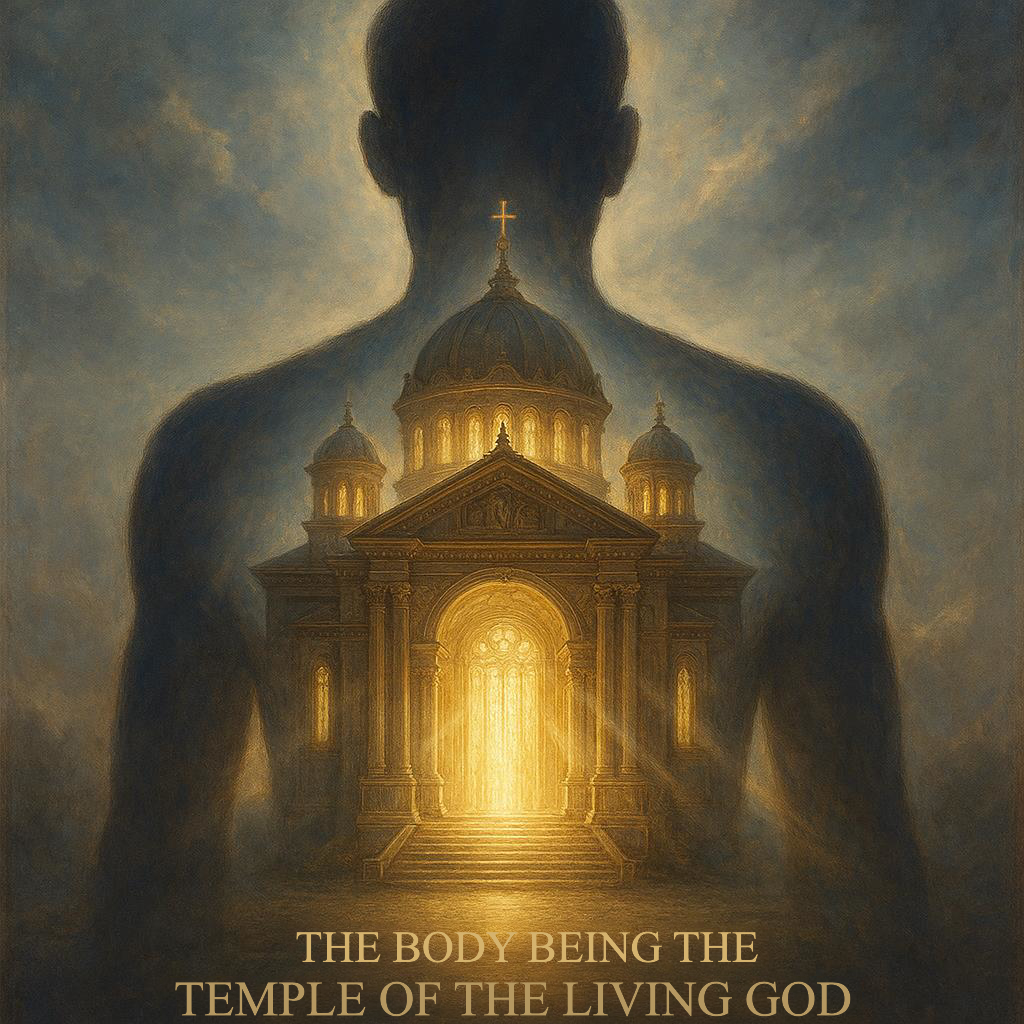
    Jesus recognizes those who belong to His Church Body — not necessarily those attending a church building. His words in Matthew 7:23 are unmistakably clear: “Not everyone that says unto Me, Lord, Lord, shall enter into the Kingdom of Heaven: but he that does the will of my Father which is in Heaven.” While Sunday fellowship is a good thing, it does not take the place of the temple you are as a child of God. Acts 7:48 teaches, “Howbeit, the Most High dwelleth not in temples made with hands…” and 1 Corinthians 3:16 reminds us, “Know ye not that ye are the temple of God, and that the Spirit of God dwelleth in you?” These verses are confirmation that the will of God for you is found within, not without — in the heart that invites His Spirit to dwell, not within the walls where people gather.

  • Romans 8:28 God’s Good vs Our Good

    28. And we know that all things work together for good, to them that love God, to them who are called according to His purpose.

    Whether you hear it or you see it posted on social media, one of the most quoted scriptures is Romans 8:28, “And we know that all things work together for good…” But that is not where the verse ends. Without including the words “to them that love God” and “to them who are the called according to His purpose“, false expectations are formed in the hearts of believers — and unnecessary doubt is planted in the minds of unbelievers.

    Romans 8 begins with the famous declaration “There is therefore now no condemnation to them which are in Christ Jesus, who walk not after the flesh, but after the Spirit.” We see that the “called” in verse 28 are those who are in Christ Jesus and those who walk according to the Spirit. Paul solidifies this in verse 14, “For as many as are led by the Spirit of God, they are the sons of God.” Today we would say “children of God.” These verses clarify exactly who loves God and have been called according to His purpose.

    By contrast, Romans 1:5 teaches, “For they that are after the flesh, do mind the things of the flesh“, and Paul leaves no doubt that they are not called by God when he says, “Because the carnal mind is enmity agaisnt God: for it is not subject to the law of God, neither indeed can be.” These verses clarify those who do not love God and have not yet been called by Him. This does not mean that they will never be called nor that they cannot seek God for themselves — only that Romans 8:28 is not a blanket promise the way not fully quoting the verse suggests.

    If you ask a person what are the “good things” God gives them, they will almost always list their material possessions, their relationship and friendships, and the job that pays their bills. While the list will vary from person to person, each one would include the things that they pray for. But if we keep Romans 8:28 in its intended context, we notice that the “things” Paul speaks of are not material or physical — and they do not stand alone. In fact, according to the text, these “things” are working: “all things work together for good.”

    Paul is not describing blessings that come from answered prayers or even the things we hope for. He’s speaking of things we probably never pray for at all — yet, if we see them through to their end, will produce the results that we did pray for. If we look at our lives as part of a collective of individuals, instead of viewing only our individual life, we begin to see that it often takes a divine cooperation of circumstances for God’s plan to unfold in our lives, and to receive the “good things” we desire. After all, every believer is a part of the larger Body of Christ — the true Church — and this is how “all things work together.” Paul is saying that the trials, tribulations, and even afflictions we face are the very instruments God uses to produce good things in our lives. He is explaining to the Roman believers, and to us, that there are spiritual processes God works through to shape His children into the image of Christ.

    When reading the New Testament it is always good to remember that the writers were inspired by the Holy Spirit to often reflect on the Old Testament. Paul even teaches us to learn from it when he says in 1 Corinthians 10:11, “Now these things happened to them as an example, and they were written for our instruction, upon whom the ends of the ages have come.” From the Old Testament we not only learn about God’s discipline and chastisement for disobedience and idolatry — we also learn how to please God and receive the desires of our heart.

    God does want us to speak and pray with thanksgiving, but He also wants us to show our love by seeking Him. First Chronicles 22:19 says, “Now set your heart and your soul to seek the Lord your God.” Jesus set this example throughout his eathly ministry by how often and the circumstances that led Him to prayer. After a long day of healing, He withdrew to pray (Mark 1:35). He used prayer in parables (Luke 8:19-14). He taught the disciples how to pray (Luke 11:2-4 & Matthew 6:9-13), where to pray (Matthew 6:6), and even how not to pray (Matthew 6:7-8). Jesus showed that a heart that seeks the Father is one that stays in communion with Him through prayer.

    Another way of showing your love for God — not only to Him, but to all you encounter — is by righteous living. Psalm 84:11 teaches us, “For the LORD God is a sun and shield: the LORD will give grace and glory: no good thing will he withhold from them that walk uprightly.” Our God keeps His promises and cannot lie. When we walk according to the ways of Christ, God becomes our provider for all we need, our shield from what is meant to harm us, a deliverer of the grace and glory that brings peace and comfort to our lives, and the light that shines through us to draw others to Him. Bringing glory to His name is His purpose for each one He calls — and only those who love Him have a heart posture willing to bring glory to His name.

    Romans 8:28 stands as a strong reminder that sometimes a single word or phrase gives more meaning to a verse than an entire sentence. Prayers are often made asking God to deliver us out of a situation. Promises of changing our ways are made if God would grant us this one “thing” we believe will make us feel good. But we must remember: God measures our motives by what’s in our hearts. We can lie to each other but we cannot lie to God.

    Perhaps this is why God warns in Leviticus 19:12, “And ye shall not swear by name falsely” and Jesus warns in Matthew 5:34 “But I say unto you, swear not at all, neither by Heaven, for it is God’s throne.” Ulterior motives and false promises do not go unnoticed by God — And they are often the reason a situation is prolonged instead of being resolved.

    God always knows when prayer and actions are born out of genuine love for Him. When they are, that is when “all things work together for good” and begin producing good fruit in our lives — fruit that others can see, drawing them to seek God for themselves. This is God’s glory.

  • Romans 8:17-18 The Adoption, The Brotherhood, and Life After Life

    17. Andif children, then heires, heirs of God, and joint heires with Christ: if so be that we suffer with him, that we may be also glorified together.
    18. For I reckon, that the sufferings of this present time, are not worthy to be compared with the glory which shall be revealed in us.

    With a profound ability to illustrate the Christian identity, Paul paints a masterpiece with Romans 8:17-18. In just two verses, we learn five truths that apply to every believer: we are adopted into God’s family; we are brothers and sisters with Christ; and our faith is in the life to come. We also learn that there is glory to be gained in our sufferings, and that our afflictions affirm who we are in Christ — provided we remain faithful to Him.

    As believers, we know that the adoption into God’s family and the inheritance of salvation are real. We know this not only because the Holy Spirit testifies to this truth within our spirit — in a way that is only understood once we are born again spiritually — but also by the fact that adoption forms a foundational pillar of Christianity. It is also echoed by almost all of the New Testament writers. Matthew, Luke, John, James, the writer of Hebrews, and Peter were all inspired at different times, in different places, and without the knowledge of each others writings. Yet each of them wrote about being adopted by God and becoming heirs with Christ.

    Being adopted into God’s family means you are never alone in this temporal world. This is one reason Scripture emphasizes fellowship. John teaches us that, “If we walk in the light, as He is in the light, we have fellowship one with another.” This shows that when we follow the path of Christ, we will recognize and be recognized by our brothers and sisters in the world. Hebrews 10:24-25 reminds us to “not forsake the assembling of ourselves together” because when believers gather together we encourage one another to walk in love instead of anger, and to always choose good over evil. Fellowship with our brothers and sisters makes it easier to travel the path less taken — the one that leads to the straight gate (Matthew 7:14).

    Not only do we have the strength of Christ when we are adopted into God’s family, but we also gain the service of His holy angels. We learn who the angels are in Hebrews 1:14, “Are not all angels ministering spirits sent to serve those who will inherit salvation?” This does not mean that God’s angels are in subjection to His children, but that as His children we receive their assistance as we walk toward our salvation. Even Jesus was made a little lower than the angels (Hebrews 2:7), yet the angels ministered to Him after His temptation. Matthew 4:11 tells us, “Then the devil left Him, and behold, angles came and ministered to Him.” The angels would have been a comforting presence to Jesus, providing mental and physical rejuvenation that would renew His hope and strength to begin His earthly ministry.

    Although our physical eyes are blind to the spiritual realm where the angels dwell, adoption opens our spiritual heart to sense their presence and their work on our behalf. The ministry of angels enables God to work through His children, allowing His glorious light to flow from them into the darkness of the world.

    Following Christ ensures afflictions and times of trouble — just as He suffered for us, we suffer with Him as His brothers and sisters. Unbelievers suffer as well, but without the inheritance of God their suffering continues in eternity. For believers, our sufferings are temporary mental and physical challenges that will not follow us into eternity. In eternity we will live free of stress, pain, and even conviction of sins — because sin will not exist in Heaven. The glory within us will be revealed in our resurrected bodies — perfect bodies free from sickness and disease just as Adam and Eve were before the fall.

    Notice when Jesus appeared to His disciples He said, “Handle me, and see, for a spirit hath not flesh and bones, as ye see Me have” (Luke 24:39). He did not say “flesh and blood” as we describe our earthly bodies, because in a resurrected state life is no longer sustained by blood. Life is eternal, flowing directly from the glory of the Father.

    When we accept Jesus Christ as our Lord and Savior, we may lose people, attitudes, and possessions that were contrary to God’s way — but we gain so much more. Adoption gives us a family with whom we can share a life aligned with God, making what we left behind feel like addition by subtraction. We no longer suffer through trials and hardships alone, and understanding how Christ suffered makes our own struggles easier bear. We understand that our difficulties are symptoms of a fallen world, not signs of an angry God. We thrive knowing that our continued faith and our walk in His Spirit leads to incomparable glory, and to life after life.

    Father God in Heaven, I thank you for the gift of Your Heavenly family — not only in Your Kingdom for eternity, but here on earth for the short time I am here. The sacrifice of Your Son cleansed me of my sins, gave me a Brother, and granted me an inheritance I now share with Jesus. Although I’m not deserving of the gifts or Your promises, Your love would not keep them from me once I sought You with my whole heart, just as you promised. I thank you in Jesus’ Name.

    Amen.

  • Romans 8:16 & Proverbs 20:27 Two Spirits and the Light of the Lord

    Romans 8:16 The Spirit itself bears witness with our spirit, that we      are the children of God.
    Proverbs 20:27 The spirit of man is the light of the Lord, searching all the inner depths of his heart.
    

    The voice of God is something that every believer wishes to hear at some point, if not often. We know from the Old Testament in the B.C. era, God chose prophets that He spoke directly to. Moses is the first prophet, yet even before him God spoke directly to Noah, and before that to Adam and Eve. What is especially intriguing about Adam and Eve is that through Satan’s deception we learn that as a spirit, he too was able to communicate with God’s children.

    But once God ended the age of the prophets, it seems He stopped communicating directly with His people. Or did He simply change how He speaks? And what determines who God communicates with — whether in the B.C. or A.D. era?

    We know that God is a Spirit and we are made in His image, making us spirit beings as well. We know that Jesus was God in the form of flesh, which makes it’s easy to understand how we too are spirits inside of a fleshly body. In fact, Paul affirms this when he said, “Know ye not that ye are the temple of God, and that the Spirit of God dwelleth in you?” (1 Corinthians 3:16). Jesus explained to the disciples that unless He goes away the Holy Spirit would not come to them (John 16:7). That promised was fulfilled on the day of Pentecost (Acts 2:1-4), when the Holy Spirit came to dwell within the believers. This raises an important question: when the Prophets heard the voice of God, did they hear an audible voice, or were they describing hearing an inner voice?

    The Spirit itself bears witness with our spirit, that we are children of God.” This passage suggests that before God’s Spirit communicates with our spirit, He first discerns the condition of our heart. God is not moved by religious appearance or lip service. It’s exactly what He told Samuel, “For man sees the outward appearance, but God sees the heart of man” (1 Samuel 16:7). Only once the Holy Spirit sees that the heart is aligned with God — and not the spirit of the evil one, does He bear witness that we belong to Him.

    This is the true meaning of “The spirit of man is the light of the Lord, searching all the inner depths of the heart.” Just as God’s light reveals who He is, our light reveals to God who we truly are — the motives behind our actions and the intent behind our words. Our spirit is the lamp God uses to search the hidden places of our hearts that others do not see — exposing whether our walk with Christ is sincere or merely an outward appearance. This is how God determines who He communicates with.

    But how does He communicate with those He chooses? Everyone — believers and unbelievers alike — have spoken the words, “something told me.” Believers should say “The Holy Spirit told me.” Or “My spirit told me.” Again, we know from Satan’s deception in the Garden that he is capable of speaking to the human spirit. Scripture illustrates this clearly when it declares “No servant can serve two masters…Ye cannot serve God and Mammon” (Matthew 6:24 & Luke 16:13).

    For the believer, it is the Holy Spirit that communicates with our spirit, giving us what is often called “intuition.” But why does intuition feel like a sixth sense? Jesus told the disciples, “Howbeit when he, the Spirit of truth, is come, He will guide you into all truth” (John 16:13). The truth the Holy Spirit guides us to enables us to make wise, godly choices. To the contrary, the evil one — the father of lies — influences the carnal mind into unwise and destructive decisions.

    The Holy Spirit is our Helper and Comforter because He guides us into truth, warns us of danger, and leads us to make wise decisions. He confirms who we are in God and Christ — a truth that Satan can never counterfeit. When you know that you have been born again and that you are a child of God, you can rest in Him and allow yourself to hear His voice. It may seem like a whisper in your mind, but you’re not imagining it; this is why you feel in your spiritual heart what you spiritually hear. This is how God speaks to His children.

    Father God in Heaven, it can be difficult at times to hear your gentle voice over the roar of the world. Help me to quench the fire of my flesh so I may be led by the light of Your Spirit. I know that You are my Father, and I know the deceiver is never far behind me. I serve You Father God; I follow my Lord and Savior Jesus Christ; and I am led by your Holy Spirit. Thank You for surrounding me and protecting me with your Holy Trinity. In Christ Jesus Name I pray.

    Amen.

  • 1 John 2:15-17 Lust and the Pride of Life

    15. Love not the world, neither the things that are in the world. If any man love the world, the love of the Father is not in him.
    16. For all that is in the world, the lust of the flesh, the lust of the eyes, and the pride of life, is not of the Father, but is of the world.
    17. And the world passeth away, and the lust thereof, but he that doeth the will of God, abideth forever.

    Scripture teaches that the god of this world is Satan. This does not mean that he is equal to Yahweh, but that he has temporary influence over the fallen earth — especially over the unbelieving. He is the author of the pride and lust that leads to covetousness and envy. Desire becomes an apetite the more the eyes behold, because just as he tempted Jesus with the kingdoms of the world, he tempts those in the world to live like kings — often far beyond their means.

    God wants his children to have abundant lives. Afterall, the riches of the world belong to Him, and He gives them for our enjoyment. But idol worship is just as real today as it was in the day of the golden calf — and throughout many generations of Israels history. John chose his words wisely when he warned us to not love the “things” of the world. Inanimate objects, strange as it may seem, can have an effect that resembles infatuation. It is possible to love the people God created and still love Him, because God is love and His love flows through His children. But it is impossible to feel God’s love from a material object. Material items cannot return affection, offer comfort, or possess a Spirit that testifies with our spirit. Only God can do those things.

    “Love not the world”, because the world is run by three forces: the lust of the flesh, the lust of the eyes, and the pride of life — and these three work together to pull us away from God. Paul reminds us that “the flesh desires what is against the Spirit, and the Spirit what is contrary to the flesh” (Galatians 5:17). This is the ongoing spiritual warfare that believers face in the form of temptation. The appetite of the flesh is fed by what the eyes see. Through the eyes, our pleasure points are triggered. This is why Jesus says, “Whosoever looks at a woman lustfully has already committed adultery with her in his heart” (Matthew 5:28). When the eye moves from simply admiring God’s creation to desiring to possess it, lust is at work.

    Possession leads to a prideful life because it takes credit for what was received from God and attributes it to the work of the possessor. The prideful heart only sees what is in front of it and is incapable of seeing who God is — the Protector and the Provider. When lust and pride blind us from the Protector and Provider, we become vulnerable to the god of this world — the one we must not love because he does not love us. His only aim is to steal us from our Heavenly Father, kill the eternal life God has promised His children, and destroy our time on earth — one lust-driven desire after another. The world and its cravings provide satisfaction for a short time but leave the soul empty continually. Only those that do the will of God abide forever.

    Father God in Heaven, Your creations bring endless beauty into this fallen world. I pray for the strength to admire and enjoy what you give me without craving to possess what is not meant for me. Teach me to see Your love in Your creations, without pridefully seeking the short-lived satisfaction the world offers. Keep my heart anchored in You, and let my desires reflect Your will for me. In the name of my Lord and Savior, Jesus Christ, I pray.

    Amen.

  • Psalm 10:3-4 The Wicked Truth

    3. For the wicked boasteth of his heart's desire, and blesseth the covetous, whom the Lord abhorreth.
    4. The wicked through the pride of his countenance will not seek after God: God is not in all his thoughts.

    When we hear the word wicked, by default we think of the most egregious acts. In fact, synonyms for wicked include sinful, evil, immoral, vile, and dark. These words come to mind for both believers and unbelievers. What separates the two is this: the believer is held to God’s definition of wicked — and His definition does not only cover the immoral or sinful acts that cause harm to others. God’s definition of wicked includes attitudes and beahviours that may not physically harm anyone, but no less contradict His ways.

    In Psalm 10:3-4 the ancient Hebrew word “Rashsa” is used — which translates to wicked or evil in English. However, its use in the Psalm is not denouncing evil or immoral acts, it is denouncing a moral stance that is hostile to God’s standards. In a single word the stance is pride.

    Rasha, or wicked, in God’s eyes includes more than violent or immoral acts of sin. It also includes the proud, self-centered, and boastful. And this is what Psalm 10 is directing our attention to. Throughout scripture we read how opposed to pride God is. Proverbs 16:18 warns that “Pride goes before destruction, and a haughty spirit before a fall.” James 4:6 “God resists the proud, but gives grace to the humble.” But why is God so opposed to pride?

    Pride is what made Lucifer desire to not only be God, but be higher than God. It’s a moral posture that may begin in the mind, but dwells and grows in the heart. Proverbs 23:7 teaches us that “For as he thinketh in his heart, so he is.” When pride fills the heart there is no room for God — no room for Him to write His laws there. The prideful give credit to themselves instead of offering thanks to God who provides all we receive. King Nebuchadnezzar gave credit to himself for greatness of his kingdom, and God temporarily stripped him of his throne making him like the wild beasts to dwell amongst them. In the New Testament, Jesus openly condemned the Pharisees for their pride, even pointing out their hypocrisy — which is a common characteristic of the prideful.

    The prideful tend to see themselves as being superior to others — but Jesus taught unity and mutual respect among His followers. Pride creates a spirit of criticism and judgement. Think of pride as a compound sin because it effortlessly effortlessly gives birth a sin nature. Once pride takes root, criticism, hypocrisy, superiority, and judgmental spirit become defining traits of the prideful. All of these attitudes are contrary to God and disrupt the divine harmony of love, respect, and patience our relationships are to be built upon.

    Perhaps the biggest reason God absolutely hates pride is that the prideful do not consider Him. Verse 4 declares that the prideful do not seek after God, nor is God in any of their thoughts. Although countenance typically refers to one’s face or presence — in Psalm 10:4, the ancient Hebrew word used here — ap·pōw — refers to a person’s character or demeanor. The psalmist is revealing that those with a prideful disposition do not look for God, seek godly wisdom, or think on His ways.

    Pride closes the heart to God’s counsel and blinds the spiritual eyes to His presence. Scripture tells us that “God opposes the proud” (James 4:6), so even if the prideful person attempts to seek God, it is unlikely he will find him — unless the prideful heart is humbled. But James 4:6 goes on to assure us that God “shows favor to the humble.” The humble heart not only seeks God but is receptive to the Holy Spirit. The humble heart is also a joy for others to be around, because its nature expresses the divine harmony that our relationships are to be built on — love, respect, and patience. A humble person treats others as equals regardless of their social standing, financial status, or physical appearance.

    As children of God we are created in His image. And as followers of Christ we are called to carry ourselves as He did. This means we are to reject pride — even in our relationships, even when we are wronged — and choosing instead to walk in humility. We are God’s ambassadors on the earth, Christ’s representatives of the true Church. When we as Christians carry ourselves with humility, we become the light that attracts others to Christ. Through humility we find the strength to endure, to love, and to do all things through Christ Jesus.

    Amen.

  • Philippians 4:13 All Things I Can Do Through Christ

    13. I can do all things through Christ who strengthens me.

    It is both common and good to memorize Scripture. Sometimes we need verses at the ready in order to give glory to God in moments of celebration. Other times we lean on them for our own strength, or to instill strength in others. In fact, throughout the Bible, we are reminded to ground ourselves by meditating on and living according to the Word of God.

    Yet even unbelievers quote — and misquote — some of the most popular verses in the Bible. Phrases like “Money is the root of all evil” or “An eye for an eye” are repeated everywhere yet are among the most misquoted and taken out of context. Believers are not immune to this — but the effects can be long lasting and unintended. For the Christian, misquoting or taking Scripture out of its intended context can lead to a weakening of faith, lack of trust in God’s Word, and in the worst-case scenario, lead to a complete falling away.

    When Scripture is misunderstood or made to mean what the human experience wants it to mean, false expectations are formed. Beliefs become anchored in promises God never made. And when those expectations collapse, high hopes come crashing down — not because God failed, but because His Word was never understood as He intended. Often the Father is blamed when the child never truly knew His heart.

    Another glaring issue is the challenge of translating Hebrew and Greek to English. Hebrew for the Old Testament and Greek for the New Testament. Sometimes English does not always have a word for what the original text expressed. Other times, English requires the order of the original words to be rearranged so the sentence flows in a way English is naturally spoken. This is where the phrase “lost in translation” becomes more than a cliché: it becomes a reality that can twist or dilute what the text was meant to convey. This is partly the case with Philippians 4:13. Another issue is taking Paul’s words out of the context of struggle-to-strength, and instead placing them into the realm of promise and personal achievement.

    Most English translations read “I can do all things through Christ who strengthens me.” The original Greek order is, “All things I can do“, and this makes a profound difference. The Greek reflects a posture of endurance through struggle. The English translation carries a posture of personal ambition. Personal ambition sets unrealistic expectations — but endurance through struggle is the true power and strength Christ provides — a strength that often enables us to meet or exceed our own expectations.

    Now that we understand the original order and posture of Paul’s words, we can further extract what he meant by “all things.” Rarely does a single verse or phrase in Scripture stand on its own: the surrounding text is usually required to fully grasp the weight of what is written. Philippians 4:13 is no exception. The meaning of all things only becomes clear when read within Paul’s conversation about being content in hardship.

    Philippians 4:11 says, “for I have learned in whatsoever state I am, therewith to be content.” The phrase “I am” in verse 11 naturally leads into “I can” in verse 13. If we were to lace verses 11 and 13 together, Paul’s thought could actually be expressed this way: “for I have learned in whatsoever state I am… I can do.” His ability to “do” in verse 13 flows directly from his contentment in verse 11. The strength he speaks of is not for selfish ambition, but for personal endurance through struggles and circumstances he’s in.

    Now let’s take a look at what “all things” are. In verse 3, he speaks of the women who “labored in the Gospel” with him — a reference to spreading and living the Gospel. In verse 8, he instructs the Philippians to think on things that are “true, just, pure, lovely, have virtue and are worthy of praise.” But it is verse 12 that most scholars and theologians agree defines the “all things” of verse 13. In it Paul writes:

    I know what it is to be in need, and I know what it is to have plenty. I have learned the secret of being content in any and every situation, whether well fed or hungry, whether living in plenty or in want.

    Here is where we see the true posture of endurance through circumstances, not the pursuit of selfish ambitions. Paul’s “all things” are not achievements, goals, or dreams — but they are a wide range of experiences he has endured by depending on Christ’s strength within himself.

    We are given the essence of “through Christ who strengthens me.” With the correct understanding, Paul’s thought could fully be expressed this way: “I can endure all circumstances I find myself in, through the strength I have in Christ.” Given the size limitations of the parchment his letters were written on — and the fact that much more thought was given to the context of writings back then compared to now, there was no need to oversimplify what would have been clear to his original readers.

    We must remember that Paul nor any of the other writers of scripture wrote to an audience thousands of years in the future — nor were their thoughts interrupted by chapter and verse divisions. They wrote to people who shared their language, understood their culture, was familiar with the struggles of their era. Their readers instinctively understood the text — something we tend to lose when we lift a single verse out of its original setting.

    God’s promises never fail, and the inspiration given to the writers of scripture needs no new clarification in order to fit our culture. We must, however, adapt our culture in order for Scripture to be effective in our lives. This does not mean so-called “going back to the Stone Age” or abandoning technology that defines our generation. Technology advances every generation and creates a culture around that technology. What doesn’t change is the human condition — and that is what makes Scripture relevant, powerful, and effective today.

    When you read Scripture, give to it the thought and patience it deserves. “Basic Instructions Before Leaving Earth” is a helpful acronym for the Bible because it reminds us that we are reading an instruction manual. One with a wealth of wisdom that does not promise a life free of struggle, pain, or affliction — yet offers peace, prosperity, and patience in the midst of them. Jesus said in John 10:10, “I am come that they might have life, and that they might have it more abundantly.” Scripture, with the correct understanding, gives life — and an abundant life.

    Amen.