Category: Daily Devotionals

  • Revelation 12:10 The Accuser Who Accuses You to Yourself

    Revelation 12:10 The Accuser Who Accuses You to Yourself

    10.And I heard a loud voice saying in heaven, Now is come salvation, and strength, and the kingdom of our God, and the power of his Christ: for the accuser of our brethren is cast down, which accused them before our God day and night.

    The Hebrew meaning of the word satan — pronounced sah-tahn’ (saw-tawn’) — is adversary, accuser, withstand, or opponent. In Hebrew, it typically refers to one who obstructs or opposes, not the inherently evil being whose true name is Lucifer. We see this in Job 1:6, where the Hebrew text uses ‘haś-śāṭān’ — a functional title meaning the accuser, not a personal name. Over time, the title satan became associated with Lucifer.

    It is important to understand the distinction between title and name as to avoid the confusing question, if Satan was already cast out of Heaven, how could he petition God to accuse Job? It also clarifies how Satan works after his fall. For example, when Jesus said to Peter “get behind me, Satan” (Mark 8:33). We know that Jesus was not calling Peter, Satan. He was addressing the adversarial influence working through Peter at the time.

    Lucifer’s position may have shifted from the heavenly realm to the earthly, but his strategy remains the same — and in many ways, is even more complex. But what made Satan an accuser of mankind in the first place? What drove him to be an adversary of God? In a single word: pride. Pride is what not only drove Lucifer to oppose God, but motivated him to want to be above God. And interestingly, pride is also the sin that causes God to oppose man. James 4:6 tells us, “But he gives us more grace. That is why Scripture says: God opposes the proud but shows favor to the humble.

    Waging war in Heaven and being cast down to earth — along with the angels that followed Lucifer — makes it no mystery why God opposes pride in humanity. God will not risk Heaven being threatened by pride a second time. Humility is not about being forced into subjection to God; it is showing reverence and gratitude for all that God has done for us, beginning with creating us in His image — something He did not do for the angels. Which may be the reason Satan became the accuser of mankind in the first place.

    Satan has two main strategies, one is to undermine God and faith in Him. We see this with Adam and Eve. Being cast out of Heaven made earth Satan’s domain. But when God placed Adam and Eve in the Garden of Eden, He gave them dominion over the earth. Satan temporarily regained that dominion when he was able to undermine Adam and Eve’s faith in God’s word by influencing them to eat from the forbidden tree. It was also Satan who influenced Cain to kill Abel when God refused his sacrifice — once again manipulating one of God’s children to oppose His instructions.

    Lucifer’s second strategy is the very one that gave him the name Satan — the accuser. But without the authority to accuse you before God, he now takes a more direct approach: he accuses you to yourself. God gives each of us gifts that we often recognize today as talents — we even call people “gifted” when they excel in a particular area. These gifts are administered to us by the Holy Spirit (1 Corinthians 12:4,11). While Scripture does not offer an exhaustive list of all the gifts God bestows on us, we do recognize they are gifts from Him. And your confidence in these gifts — and your confidence in general — is a key area where Satan strikes. His goal is to make you unwittingly undermine God’s work in you, and cause you to lose faith in God’s promises to you.

    Many people say they wish they had talent. Others say they wish they could find their calling. But it’s not a stretch to say that every person, deep in their heart, has already recognized the talent or calling God placed within them. When God gives a talent or places a calling on someone’s life, He also gives everything they need to excel in that area. One of the main things he gives is passion — a natural pull toward the very thing He has gifted you to do. Most people don’t associate their passion with it being a gift from God. But Satan does.

    Satan knows that not only are your gifts and passions a way for you to thrive in your natural life — but most importantly — when incorporated and used appropriately they bring glory to God — the Giver of gifts. When through his whispers he convinces you that you are not good enough to excel at your passions, he has done two things, made your life more difficult by settling for less, and kept glory from being brought to God’s name.

    2 Timothy 1:7 teaches us, “For God has not given us a spirit of fear and timidity, but of power, love, and self-discipline.” Notice that Paul refers to fear as a spirit, perhaps indicating that the spirit of fear is of Satan himself. And it’s no coincidence that in verse 6, Paul reminds Timothy of “the gift” when he says, “For this reason I remind you to fan into flame the gift of God, which is in you through the laying on of my hands.” Paul connects the gift with the spirit because the enemy attacks the gift through the spirit of fear. If he can create fear, timidity, or insecurity in you, Satan knows he can stifle the very gift God placed within you.

    Power, love, and self-discipline are attributes every one of us must have in order to master any craft God has placed within us. In order to excel, we must recognize the power God has given us to overcome weaknesses and obstacles. We must identify our passion as a love for the talent He placed inside us. And power and love are of little use without self-discipline. This is why Satan does anything he can to convince you that you are not strong enough to power through the adversity that makes accomplishments seem out of reach. Subtly, he will whisper to you that your passion isn’t a God-given gift, but only a dream “other people” — people supposedly better than you — succeed at. And with all the distractions, pleasures, and easier paths available today, it becomes easier for him to replace self-discipline with a participation trophy mindset. When everyone “wins” regardless of effort, what motivation is left to work harder and excel?

    God’s Word is not only for our instruction — it is also a weapon against the enemy. When the enemy attacks, we must use the Word against him. Speaking the Word of God gives us authority over the enemy in both the physical and spiritual realms. In the spiritual realm, angels assigned to protect us are activated when we stand on God’s Word. In the physical realm, declaring God’s Word in the presence of those the enemy works through will silence, expose, and drive back his influence. And as we use the Word of God not only as a weapon, but as a faith based foundation, it strengthens our confidence, builds our character and integrity, and tightens the very fabric of our lives.

    In conclusion, know who you are in Christ Jesus. Remind yourself “I am the righteousness of God in Christ Jesus, saved by His grace.” Always remember that the enemy works by accusing you to yourself. He tries to undermine your faith in God by attacking His promises to you, and the gifts and desires He has placed within you. He will subtly try to influence your thoughts, and even use others to weaken your confidence and create fear.

    Use the following Scriptures to speak authority over your life — whether under attack or not. And when you cannot speak them aloud, speak them silently in your heart. Even in silence, spirits respond to prayer.

    Psalm 18:2 “The LORD is my rock, my fortress and my deliverer; my God is my rock, in whom I take refuge, my shield and the horn of my salvation, my stronghold.”

    Philippians 4:13 For I can do everything through Christ, who gives me strength.”

    Romans 8:28And we know that all things work together for good to those who love God, to those who are the called according to His purpose.”

    Philippians 4:19 “And my God will meet all my needs according to the riches of His glory in Christ Jesus.” (Adjusted from “your” to “my” for personal declaration.)

    Psalm 23:1-5 “The LORD is my shepherd; I shall not want.

    He maketh me to lie down in green pastures:

    he leadeth me beside the still waters.

    He restoreth my soul:

    He leadeth me in the paths of righteousness for his name’s sake.

    Yea, though I walk through the valley of the shadow of death, I will fear no evil: for thou art with me; thy rod and thy staff they comfort me.

    Thou preparest a table before me in the presence of mine enemies: thou anointest my head with oil; my cup runneth over.”

    Amen.

  • Philippians 2:13-15 A Shining Light in a Crooked and Perverse World

    13. For it is God which worketh in you, both to will, and to do, of His good pleasure.
    14. Do all things without complaining, and disputing:
    15. That ye may be blameless and harmless, the sons of God, without rebuke, in the midst of a crooked and perverse nation, among whom you shine as lights in the world.

    In a dark world, you would think it would be easy for God’s light to shine through His children. But is the world more wicked and evil today than it ever has been? Are believers being the minority of the global population, something new to our age? And is it really difficult to find God’s will for our lives, or do the very things He warns against — selfish ambition, covetousness, anger, and discontentment — blind us from seeing His will clearly?

    Jesus knew how essential it was for us to receive the Holy Spirit. Before going to the Cross he told His disciples that “it is expedient for you that I go away: for if I go not away, the Comforter will not come unto you” (John 16:7). Our understanding of what was taking place may become clearer if we read John 13-17 as a changing of the guard — a transition from Jesus’ earthly ministry, where He laid the path for salvation and being born again, to God working directly with and in His children, preparing them for a life of service and for the Kingdom of Heaven.

    Philippians 2:13 teaches us, “For it is God which worketh in you, both to will, and to do, of His good pleasure.” This is the accomplishing work of the Holy Spirit in our lives. 1 Corinthians 2:12 declares, “Now we have received, not the spirit of the world, but the Spirit which is of God, that we might know the things that are freely given to us of God.”

    We know that since the fall of man, the god of the fallen world is Satan, which makes the spirit of the world his spirit. It is a dangerous thing for believers to assume his influence is limited to unbelievers. On the contrary, the evil one has little reason to waste his efforts on those already separated from God — his focus is on those who follow Christ. This is why 1 Peter 5:8 gives such a stark warning to believers, “Be sober, be vigilant: because your adversary the devil, as a roaring lion walketh about, seeking whom he may devour.”

    It is interesting that Peter chose a lion to describe the devil. Jesus is from the tribe of Judah, and the lion represents the tribe of Judah. 2 Corinthians 11:14 may tell why Peter chose this example, it says, “And no marvel, for Satan himself is transformed into an angel of light.” It may be that, finding God’s will for us becomes difficult when we confuse the enemy’s imitation of light for the true light of God. When what is actually darkness convinces us that it is the work of the Holy Spirit, faith can be severely tested.

    Jesus calls the Holy Spirit the “Comforter” and says He will lead us to all truth (John 14:16). He says this with good reason. Philippians 2:14 instructs us to “Do all things without complaining and disputing.” Complaining blinds us from seeing any good in circumstances we may not prefer, and it blinds us from seeing how God may turn those circumstances in our favor. In every situation, the Comforter will keeps us in understanding — if we remain calm enough to hear His whispers or sense what the natural world calls intuition. The wisdom that leads you to make decisions you wouldn’t otherwise make — decisions that save, protect, and lead you to favor — is not your own. It is the Spirit of God within you.

    When we dispute with others, confusion becomes thicker and the truth gets buried deeper. This is why 2 Timothy 2:23 instructs us to “Have nothing to do with foolish, ignorant controversies; you know that they breed quarrels.” When we take part in these things, we become harmful to others through verbal abuse, we open ourselves to judgment by flirting with hypocrisy, and we risk giving those with shallow faith — and unbelievers as well — a reason to doubt that grace and salvation are truly at work in our lives.

    Being a Christian doesn’t rest only on what we believe individually, but on demonstrating those beliefs in how we react when challenged, provoked, or baited into disputes or debates. If we believe that Jesus is The Way, then we are to carry ourselves in the way He did. Jesus wasn’t blameless because He never became angry — Scripture shows us He became angry. He was angered by the mistreatment of His Father’s house, by the Pharisees for their hypocrisy of the Law, and He even rebuked Peter publicly. But unlike carnal anger, Jesus was blameless because His anger was righteous indignation — anger directed at injustice toward God and toward God’s children. This type of anger is not only purposeful, it is pure and protective.

    As children of God, the evil one is always trying to test our faith, and he does this by provocation. Seeking whether our reaction to his provocations will be righteous or fleshly? Consider the words of Revelation 12:10, “And I heard a loud voice saying in heaven, Now is come salvation, and strength, and the kingdom of our God, and the power of his Christ: for the accuser of our brethren is cast down, which accused them before our God day and night.

    Even though Satan accused us in the past — and no longer has the authority to accuse us before God — he still seeks to prove our faith is false. He couldn’t care less about us personally; what he cares about is making his darkness appear more powerful than God’s light. This is why, as God’s children and servants, we are called to bring glory to His name by allowing His light to shine through us. Living according to God’s will not only carries eternal reward in Heaven, but blessing in our natural lives as well. Jesus declares in John 10:10, “The thief cometh not, but for to steal, and to kill, and to destroy: I am come that they might have life, and that they might have it more abundantly.”

    God is not against abundance and prosperity; He desires to fulfill His promises to all His children. But we must do our part — not through works, a doctrine often argued, but through obedience to His will. This obedience is not to appear to be in subjection to God — free will is real, or to merely appear spiritual to others. But so that we may shine as lights of righteousness in this crooked and perverse world, drawing as many as possible to His light. “The Lord is not slow in keeping his promise, as some understand slowness. Instead he is patient with you, not wanting anyone to perish, but everyone to come to repentance” (2 Peter 3:9).

    Amen.

  • Philippians 3:12-13 Leaving Your Past Behind to Find Your Calling

    12. Not that I have already attained, or am already perfected; but I press on, that I may lay hold of that for which Christ Jesus has also laid hold of me.
    13. No, dear brothers and sisters, I have not achieved it, but I focus on this one thing: Forgetting the past and looking forward to what lies ahead.

    One of the greatest attributes of the human condition is memory. Through memory we can relive some of our favorite moments in life — falling in love, the birth of children, personal and career acheivements. Failure of memeory, can have effects that range from a day ruined by searching for something misplaced, to the heartbreaking loss of independence seen in Alzheimers or dementia.

    But memory can also work against us in other ways — having adverse effects on our ability to discover and reach our potential. Memory is an attribute that can be a gift and a curse, literally, if we let it. When memory induces fear, it can be polarizing to an individual — turning goals into mere dreams, making ambition a faint voice in the background as we settle for the path of least resistance.

    A person once said to me, “sometimes you have to bring the past into the present.” Because I knew the context of the discussion, I knew they were talking about negative history — the kind that fuels anger and bitterness — not the positive history that inspires ambiton and promise. Since they were an elder, there was no use in trying to explain the damaging effect that mindset had on their life, their relationships, and the way others perceived them. What perplexed me most was seeing how this person would weaponize someone else’s past in an effeort to claim moral superiority.

    Before becoming the Apostle Paul, Saul of Tarsus lived in total contradiction to Jesus Christ — admitting this in Acts 26:9, “I used to believe that I ought to do everything I could to oppose the very name of Jesus the Nazarene.” Yet when Jesus placed a calling on his life to be the apostle to the Gentiles, he did not hesitate to wash his memory of past actions and embrace the very way he once hated. Even when The Twelve and other followers of The Way feared and doubted him because of his history, Paul stood firmly on his present state of mind — never waivering until becoming accepted for who he was in the present.

    Perhaps this is the reason Jesus placed the calling of Apostle to the Gentiles on Paul. He is living proof of the truth he was inspired to write. In Romans 8:35 Paul asks, “Who shall separate us from the love of Christ? Shall trouble or hardship or persecution or famine or nakedness or danger or sword?” And he answers his own question in Romans 8:37, “No, in all these things we are more than conquerors through Him who loved us.”

    If Jesus chose the one person whose life’s mission was to imprison and kill those who followed Him, why would Jesus hold your past against you? Why would he refuse to accept you into His family as a member of His Church Body?

    We who are called to follow Christ Jesus, must wash our minds of past sins and mistakes, in order to discover His calling for our lives. Even when others doubt our salvation or who we’ve become in Christ, we stand with full conviction, firmly planted in the cleansing that is taking place within us. Your past does not disqualify you from Jesus calling you brother or sister. If anything, He calls you even louder.

    Remember the parable of the lost sheep in Luke 15:3-7 — the shepherd left the ninety-nine sheep to go and find the one who was lost. Or what Jesus tells us in Luke 15:10, “In the same way, there is joy in the presence of God’s angels when even one sinner repents.

    Be the one lost sheep that Jesus carries on His shoulders in joy when you answer His call. Dare to be the reason God’s angels rejoice in Heaven when you repent and release your past. Leave your sins, regrets, and mistakes behind you. It is exactly what God does for us — and expects from us — as Psalm 103:12 declares, “As far as the east is from the west, so far has he removed our transgressions from us.”

    Amen.

  • Romans 12:1-2 The Soul, The 2nd Dimension of Man

    1. I beseech you therefore brethren, by the mercies of God, that you present your bodies a living sacrifice, holy, and acceptable unto God, which is your reasonable service.
    2. And be ye not conformed to this world: but be ye transformed by the renewing of your mind, that ye may prove what is that good, that acceptable and perfect will of God.

    It is normal for people to have confidence in what they can see. It takes faith to have confidence in what cannot be seen. Everyone can agree that as physical beings we are three-dimensional having height, width, and length. Far fewer understand — or accept — that we are also three-dimensional in our being: spirit, soul, and body. Some may dismiss the spirit altogether while acknowledging the soul and the body — yet still won’t recognize the soul as a true dimension of the complete person. Possibly confusing the soul with the spirit by attributing it to the spiritual realm, without understanding its role in how we think, feel, and choose.

    To understand the soul, it may be best to first understand the spirit. Romans 8:16 says, “For His Spirit joins with our spirit to affirm that we are God’s children.” This verse makes it clear that “His Spirit” refers to the Holy Spirit. When you are born again, your spirit is no longer dead in sin but alive in the spiritual realm. The Holy Spirit communicates with your spirit, providing you with instructions, guidance, and warnings — what the natural world calls intuition.

    When Jesus died on the Cross, the veil of the temple was torn, signifying that the old covenant had ended and the new covenant had begun. Under the new covenant, the children of God gained direct access to Him because the torn veil removed the barrier between God and His people. Under the new covenant your spirit communicates with the Holy Spirit — which is the Spirit of God Himself. When you were born again, it was your spirit that was saved becoming a new creature and adopted by God, not your soul or your body. When you physically die, your spirit sheds its earthly tabernacle — the body. And when God grants eternal life, you will receive a new and glorious body like that of Jesus Christ (Philippians 3:21).

    As for the soul, it is the thought dimension of mankind and lives in the physical realm alongside the flesh — and must choose to surrender to God. Notice the common saying is “sold your soul to the devil, not “sold your spirit to the devil.” Once you are born again, your spirit is made into a new creation, but your flesh still desires the things the god of this world offers: momentary physical pleasures, material distractions, and — just like him — thoughts of superiority. Your thoughts become food for your soul, and your soul in turn feeds your flesh. This is why Paul instructs “be not conformed to this world, but be ye transformed by the renewing of your mind.” Your mind is the collection of thoughts that come from your soul — your deepest, most inner being.

    As previously stated, your spirit belongs to God once you are born again, and the devil has no rights to anything in the Heavenly, spiritual realm. However, your soul is in your hands, and you govern it in this world. This returns us to the gift of free will. Satan did not tempt the spirit of Eve — he attacked her reasoning, her sense of logic, the place where free will is exercised and the depths of the soul are exposed through the thoughts that lead to actions.

    Even under the New Covenant, though the Mosaic/Levitical laws no longer apply, God is still the same and does not change. Speaking for the Lord, Jeremiah 17:10 declares, “I the LORD search the heart and examine the mind, to reward each person according to their conduct, according to what their deeds deserve.” The Holy Spirit examines our souls — the dwelling place of our thoughts, motives, and the intentions that shape our choices.

    Philippians 2:12 says, “Wherefore, my beloved, as ye have always obeyed, not as in my presence only, but now much more in my absence, work out your own salvation with fear and trembling.” Here we see Paul encouraging those of the church in Philippi to exercise their faith with reverence towards God, even in the absence of their teacher. As it is said, integrity is not measured by the things a person does when others are around, but by the things done when no one is around. How you train your soul will decide if your body becomes an example of faith and Godly integrity, a sacrifice worthy of being presented to God — or if you will continue to surrender to the desires of the flesh.

    To be a living sacrifice to God means practicing a new nature toward others. Being slow to anger and seeking to understand before reacting. It means not criticisizing others or measuring them by yourself in order to feel superior — this ensures you don’t think of yourself higher than you should (Romans 12:3). Your thoughts should be to Judge situations without being judgmental toward people in them — this guards your heart from hypocriscy. A soul shaped by compassion reflects on its own imperfections and seeks to show others their own possibilites.

    When Jesus told the desciples to deny themselves (Matthew 16:24), he was instructing them to shed their self-centered and even self-willed desires. When we shape our souls with thoughts of Christlike humility, compassion, and even healthy self-respect, we slowly shed the sin-nature that once controlled our flesh. Yes, we will stumble, but we are less likely to indulge the flesh — and far less likely to backslide — when our souls are transformed into the likeness of our reborn spirits.

    We too are a trinity, and the mission is to bring our trinity into unity. When our spirit, soul, and body are in harmony, 1 Thessalonians 5:23 becomes a living reality, “And the very God of peace sanctify you wholly: and I pray God your whole spirit, and soul, and body be preserved blameless unto the comming of our Lord Jesus Christ.”

  • Philippians 2:1-4 A Call to Service

    1. Therefore if there is any consolation in Christ, if any comfort of love, if any fellowship of the Spirit, if any affection and mercy,
    2. fulfill my joy by being like-minded, having the same love, being of one accord, of one mind.
    3. Let nothing be done through selfish ambition or conceit, but in lowliness of mind let each esteem others better than himself.
    4. Let each of you look out not only for his own interests, but also for the interests of others.

    Philippians 2:7 says of Jesus, “But made Himself of no reputation, and took upon Him the form of a servant, and was made in the likeness of men.” Have you ever given thought to what it must’ve been like for Jesus to be made in the likeness of men — and, on top of that, to serve those he came to save? To find strength in times of tiredness. To bear the pain of others, even when their own sin brought about their suffering. To choose kindness at the end of a long day. These are but a few of the attributes Jesus practiced as being an example of how His followers should live.

    Jesus demostrated that true freedom is found in humility and love, by continuing to answer the call to serve. The person who answers that call is free from the bondage of selfishness that often isolates — a slave to ones own flesh. Selfishness is often rooted in pride and covetousness, when one’s own possessions become idols of self-worth. This mindset is in bondage to sin becaus its motives serve only itself.

    The parable of the Rich Fool in Luke 12:16-21 illustrates this perfectly. Jesus tells of a rich man whose land produced abundantly — so plentiful that his barns could not contain the excess. His solution was to tear down his barns and build bigger ones — he had enough to store for years. Believing that once his excess was stored, life would be easy and he could “eat, drink, and be merry.” But Luke 12:20 tells God’s response, “You fool! This very night your life will be demanded from you. Then who will get what you have prepared for yourself?” God did not call the man a fool because he gained riches, but because his heart was not with the One who gave him life and prosperity. His motives were selfish.

    Had his heart been with God, he would have used a portion of his excess to help others in need. I’m sure we can all agree, that if the wealthy parted with a portion of their excess, instead of only building bigger, there would be far fewer in the world that go without. Though God may not instantly bring death upon the selfish today, every soul will be required of Him. As Hebrews 10:31 warns, “It is a dreadful thing to fall into the hands of the living God.”

    As followers of Christ, we are not to have minds of conceit. Humilty cannot thrive where arrogance is rooted. An arrogant mind is also in bondage to sin because its spirit is judgmental, critical of others, and thinks itself to be superior to others. These are the vary conditions that lead to verbal abuse and other harmful acts that wound the self-esteem, self-love, and confidence of others. This spirit has created a culture where many despise their own identity and seek another not given by God, and pushes them further away from Him.

    In Mark 12:31 Jesus reminds us of the Second Commandment: “Thou shalt love thy neighbor as thyself:” He also gave a new commandment: “Love one another, as I have loved you” (John 13:34). A spirit lacking humilty may or may not love itself, but it certainly cannot love others.

    This does not mean that as followers of Christ we should neglect our own duties and affairs. After all, Philippians 2:4 teaches to “Let each of you look out not only for his own interests, but also for the interests of others.” A word rarely used to describe what it means to be a Christian, is balance. A balanced mind is what creates a balanced Christian life and every Christian who walks in balance contributes to a more balanced Church Body.

    The Apostle Paul was probably the most dynamic promoter of the Church Body. In his epistles, he taught not only how members of the Church should live, but also that the health of the Church depends on the health of each of its members. His best illustration is found in 1 Corinthians 12:12-27, where he describes the Church Body as a human body. He concludes with a call to humility and unity of the Church: “That there should be no schism in the body: but that the members should have the same care one for another. And whether one member suffer, all the members suffer with it: or one member be honored, all the members rejoice with it. Now yee are the body of Christ, and members in particular.” (1 Corinthians 12:25-27).

    When we consider the interests and well-being of our brothers and sisters in Christ, as well as our own, we fulfill the command to treat others as we would like to be treated (Matthew 7:12). When we serve not only ourselves but others as well, we truly reflect the heart of Christ — and give Christianity the identity it was meant to have: a people that walk in love, are based in humility, and thrive in service.

    In Jesus Name, Amen.

  • Free Will: Gift From God or Myth of the Mind?

    Galatians 5:13 reminds us, "You, my brothers and sisters, were called to be free. But do not use your freedom to indulge the flesh; rather, serve one another humbly in love."

    Deuteronomy 30:19 declares, "I call heaven and earth to record this day against you, that I have set before you life and death, blessing and cursing: therefore choose life, that both thou and thy seed may live:"

    Paul echoes this truth in 1 Corinthians 10:23: “I have the right to do anything,” you say—but not everything is beneficial. “I have the right to do anything"—but not everything is constructive."

    And again in 1 Corinthians 10:13: No temptation has overtaken you but such as is common to man; and God is faithful, who will not allow you to be tempted beyond what you are able, but with the temptation will provide the way of escape also, so that you will be able to endure it.

    I have never been able to understand why believers argue amongst each other as to whether free will exists? We are called to be mature in our spiritual understanding, and it seems natural that spiritual maturity allows us to read between the lines of scripture, and recognize that everyday of our lives is filled with choices — to sin or not to sin, to obey or be disobedient.

    Perhaps the confusion for many comes with the doctrines of being chosen and predestined. But other than being isolated by early theologians, what constitutes the two to be doctrine that stands apart from the core truth of accepting Jesus as Lord and Savior? It can just as easily be argued that such isolations are why the Holy Spirit inspired Paul to warn us against being distracted by “philosphy and vain deceit” (Colossians 2:8).

    It’s clear from the first two humans that God created, Adam and Eve, that free will was a part of the human construct. He did not plant the tree of knowledge of good and evil to tempt them, but because love or the lack thereof, can only be expressed through obedience or disobedience. Mankind is not the only of God’s creations that demonstrate choice. Lucifer and the third of the angels that were cast out of heaven with him had the choice to honor God or themselves — obviously they chose themselves. The sons of man, some call them watchers, did not have to sleep with the women of earth — yet they did and the Nephilim were created.

    Being made in God’s image, it only makes sense that we have free will, because God himself exercises it. As He told Moses in Exodus 33:19, “I will have mercy on whom I will have mercy, and I will have compassion on whom I will have compassion.” Perhaps the clearest example of free will being rewarded when obedience is chosen, is the night of Passover. Because the Hebrews chose to obey God’s command and mark their doorposts with the blood of the sacrificial lamb, the angel of death passed over them, not touching a single first-born Hebrew child (Exodus 12:29).

    Their obedience opened the door to mercy and prosperity. It wasn’t until they forgot all God had done for them, and became disobedient, that mercy turned to discipline. These are vivid reminders that free will can either lead to a path of peace and prosperity, or one marked with discipline and chastisement. Serving the flesh leads to spiritual death because the flesh is bound by sin. We are called out of bondage, set free with the promise of eternal life. The choices are set before us — “life and death, blessing and cursing“, it is no strange thing that generations tend to stay the same when they choose the same path.

    Living the same type of lifestyle as those before us may be the cultural norm, but may not be suitable for the Kingdom of God. As Paul teaches in 1 Corinthians 10:23, we have the right to do anything we want, but not everything is beneficial or constructive. Going a step further, we must recognize that what may benefit the flesh, may be destructive to the soul — even when it comes to how we talk to or about others. Being verbally abusive and judgmental toward others is just as sinful as doing them physical harm. Temptation through anger and pride leaves no room to serve others humbly with love.

    Free will can be a gift or a curse depending on the motive behind the practice of it. God will not force any of us to do His will, but He does discipline those He loves and chastens those He accepts as sons and daughters (Hebrews 12:6). He will never allow any of His children to be tempted beyond what they can bear. Live your life knowing that you always have a choice — even when it comes to who you allow into your life. You are not to let anyone, even family, misuse you are convince you that you are anything other than what God calls you. God calls you loved — so freely love in return.

    Amen.

  • 2 Corinthians 3:16 Born With the Veil of Spiritual Blindness

    16. But whenever anyone turns to the Lord, the veil is taken away.

    Most Chrisitans have the beliefs they do because they were exposed to church and/or the Bible as part of their upbringing. Parents or guardians taught them to pray with the familiar words “Now I lay me down to sleep, I pray the Lord my soul to keep…” Many grew up going to church most Sundays, while others were limited to attending on holidays. And yet for others, it wasn’t church at all, they saw a Bible resting in their home everyday. Regardless of how, the understanding of God and Jesus was planted in their minds.

    But what about the heart, why doesn’t childhood exposure alone make faith take root, and the scriptures come alive for everyone? Why do most of us drift from God and deeper into a life of sin that usually begins in our teenage years? Why do we lose sight of God but still claim to believe in Him?

    The answer is found in Romans 5:19, which tells us, “For as by one man’s disobedience many were made sinners.” Even before being exposed to God, the sin nature was already in our blood. Jesus remained sinnless because He did not inherit the sin-tainted blood of Adam passed through His earthly father Joseph. His blood was pure — the blood of our Heavenly Father — which is why every beliver in Christ Jesus is cleansed through His shed blood.

    Because we are born rebellious toward God, we are born spiritually blind. Not until we accept Jesus Christ as our Lord and Savior can the Holy Spirit begin to lift the veil that separates us from God. Therefore, being taught to pray, going to church — no matter how often — or even seeing a Bible resting at home have little effect on building a relationship with God. In fact, merely professing with the mouth that Jesus is Lord and Savior has little effect when the heart remains distant. Jesus addressed this when He said in Matthew 15:8 “These people honor me with their lips, but their hearts are far from me.” A distant heart is as useless to God, as a Bible resting in the home that is rarely read.

    Without engagement, the Word cannot take root in your heart. Without the Word being rooted in your heart, the Holy Spirit cannot do the work of making you born again. Jesus was clear when He said “I tell you the truth, unless you are born again, you cannot see the Kingdom of God” (John 3:3). While the veil remains, it is impossible to be born again. Just as you don’t know the person who is behind a veil, niether does Jesus know you when you wear the veil of spiritual blindness.

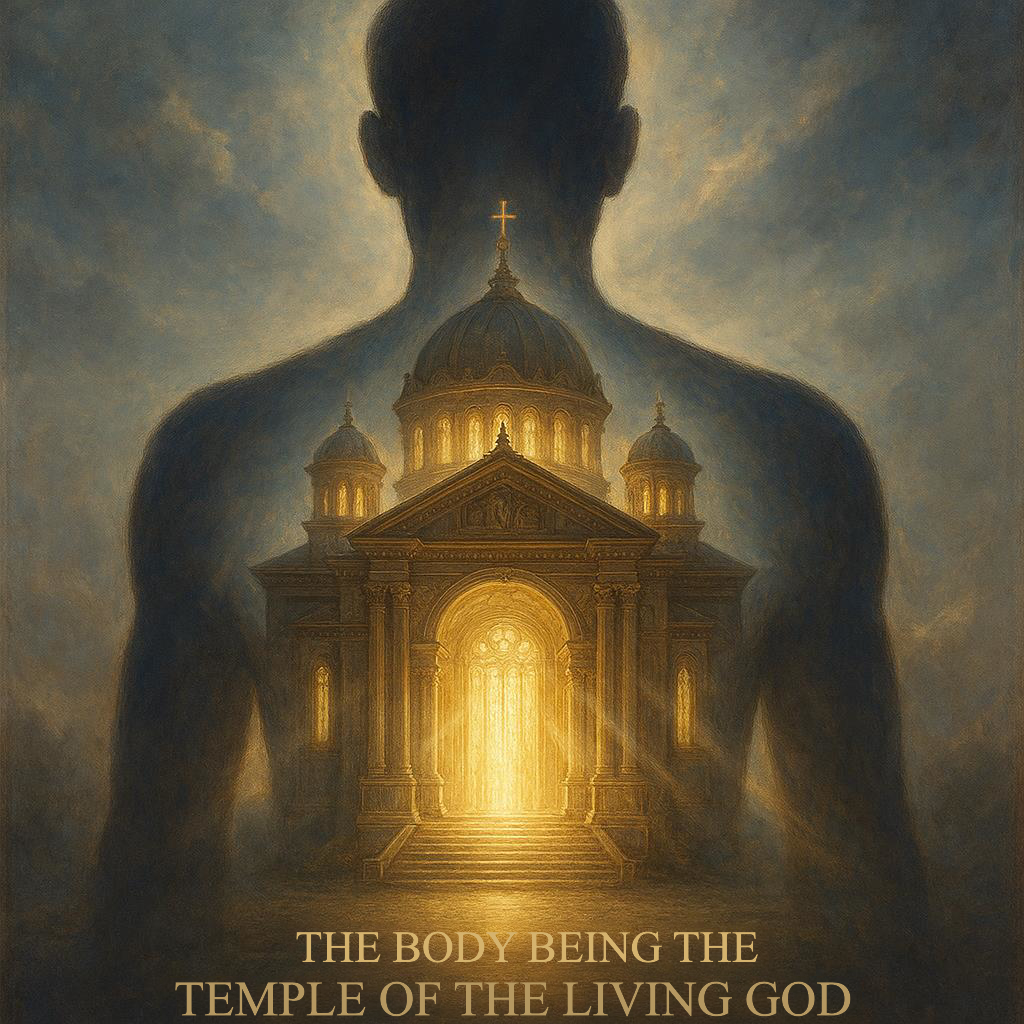
    Jesus recognizes those who belong to His Church Body — not necessarily those attending a church building. His words in Matthew 7:23 are unmistakably clear: “Not everyone that says unto Me, Lord, Lord, shall enter into the Kingdom of Heaven: but he that does the will of my Father which is in Heaven.” While Sunday fellowship is a good thing, it does not take the place of the temple you are as a child of God. Acts 7:48 teaches, “Howbeit, the Most High dwelleth not in temples made with hands…” and 1 Corinthians 3:16 reminds us, “Know ye not that ye are the temple of God, and that the Spirit of God dwelleth in you?” These verses are confirmation that the will of God for you is found within, not without — in the heart that invites His Spirit to dwell, not within the walls where people gather.

  • Romans 8:28 God’s Good vs Our Good

    28. And we know that all things work together for good, to them that love God, to them who are called according to His purpose.

    The Most Misquoted Promise in Scripture

    Whether you hear it or you see it posted on social media, one of the most quoted scriptures is Romans 8:28, “And we know that all things work together for good…” But that is not where the verse ends. Without including the words “to them that love God” and “to them who are the called according to His purpose”, false expectations are formed in the hearts of believers — and unnecessary doubt is planted in the minds of unbelievers.

    Who “All Things Work Together” Actually Applies To

    Romans 8 begins with the famous declaration “There is therefore now no condemnation to them which are in Christ Jesus, who walk not after the flesh, but after the Spirit.” We see that the “called” in verse 28 are those who are in Christ Jesus and those who walk according to the Spirit. Paul solidifies this in verse 14, “For as many as are led by the Spirit of God, they are the sons of God.” Today we would say “children of God.” These verses clarify exactly who loves God and have been called according to His purpose.

    By contrast, Romans 1:5 teaches, “For they that are after the flesh, do mind the things of the flesh“, and Paul leaves no doubt that they are not called by God when he says, “Because the carnal mind is enmity against God: for it is not subject to the law of God, neither indeed can be.” These verses clarify those who do not love God and have not yet been called by Him. This does not mean that they will never be called nor that they cannot seek God for themselves — only that Romans 8:28 is not a blanket promise the way not fully quoting the verse suggests.

    When God’s Good Doesn’t Feel Good

    If you ask a person what are the “good things” God gives them, they will almost always list their material possessions, their relationship and friendships, and the job that pays their bills. While the list will vary from person to person, each one would include the things that they pray for. But if we keep Romans 8:28 in its intended context, we notice that the “things” Paul speaks of are not material or physical — and they do not stand alone. In fact, according to the text, these “things” are working: “all things work together for good.”

    Paul is not describing blessings that come from answered prayers or even the things we hope for. He’s speaking of things we probably never pray for at all — yet, if we see them through to their end, will produce the results that we did pray for. If we look at our lives as part of a collective of individuals, instead of viewing only our individual life, we begin to see that it often takes a divine cooperation of circumstances for God’s plan to unfold in our lives, and to receive the “good things” we desire. After all, every believer is a part of the larger Body of Christ — the true Church — and this is how “all things work together.” Paul is saying that the trials, tribulations, and even afflictions we face are the very instruments God uses to produce good things in our lives. He is explaining to the Roman believers, and to us, that there are spiritual processes God works through to shape His children into the image of Christ.

    When reading the New Testament it is always good to remember that the writers were inspired by the Holy Spirit to often reflect on the Old Testament. Paul even teaches us to learn from it when he says in 1 Corinthians 10:11, “Now these things happened to them as an example, and they were written for our instruction, upon whom the ends of the ages have come.” From the Old Testament we not only learn about God’s discipline and chastisement for disobedience and idolatry — we also learn how to please God and receive the desires of our heart.

    Seeing God’s Good Through Spiritual Eyes

    God does want us to speak and pray with thanksgiving, but He also wants us to show our love by seeking Him. First Chronicles 22:19 says, “Now set your heart and your soul to seek the Lord your God.” Jesus set this example throughout his earthly ministry by how often and the circumstances that led Him to prayer. After a long day of healing, He withdrew to pray (Mark 1:35). He used prayer in parables (Luke 8:19-14). He taught the disciples how to pray (Luke 11:2-4 & Matthew 6:9-13), where to pray (Matthew 6:6), and even how not to pray (Matthew 6:7-8). Jesus showed that a heart that seeks the Father is one that stays in communion with Him through prayer.

    Another way of showing your love for God — not only to Him, but to all you encounter — is by righteous living. Psalm 84:11 teaches us, “For the LORD God is a sun and shield: the LORD will give grace and glory: no good thing will he withhold from them that walk uprightly.” Our God keeps His promises and cannot lie. When we walk according to the ways of Christ, God becomes our provider for all we need, our shield from what is meant to harm us, a deliverer of the grace and glory that brings peace and comfort to our lives, and the light that shines through us to draw others to Him. Bringing glory to His name is His purpose for each one He calls — and only those who love Him have a heart posture willing to bring glory to His name.

    A Heart Aligned with His Purpose

    Romans 8:28 stands as a strong reminder that sometimes a single word or phrase gives more meaning to a verse than an entire sentence. Prayers are often made asking God to deliver us out of a situation. Promises of changing our ways are made if God would grant us this one “thing” we believe will make us feel good. But we must remember: God measures our motives by what’s in our hearts. We can lie to each other but we cannot lie to God.

    Perhaps this is why God warns in Leviticus 19:12, “And ye shall not swear by name falsely” and Jesus warns in Matthew 5:34 “But I say unto you, swear not at all, neither by Heaven, for it is God’s throne.” Ulterior motives and false promises do not go unnoticed by God — And they are often the reason a situation is prolonged instead of being resolved.

    God always knows when prayer and actions are born out of genuine love for Him. When they are, that is when “all things work together for good” and begin producing good fruit in our lives — fruit that others can see, drawing them to seek God for themselves. This is God’s glory.

    A Transformed Mind: Discerning God’s Good, Pleasing, and Perfect Will

    1. And so, dear brothers and sisters, I plead with you to give your bodies to God because of all he has done for you. Let them be a living and holy sacrifice—the kind he will find acceptable. This is truly the way to worship him.

    2. Don’t copy the behavior and customs of this world, but let God transform you into a new person by changing the way you think. Then you will learn to know God’s will for you, which is good and pleasing and perfect.

    A Prayer From a Life Called Out of Chaos

    Father God in Heaven, even as a sinner You made me Your child who belongs to You. My love for You is shown in my desire to be obedient, and obedience reveals Your will for my life. When I don’t understand situations or circumstances, I find rest knowing that Your perfect work leads to the good my heart truly desires. When my life seems out of order, the peace You give me reminds me that You called me out of the chaos — a call with the purpose of Your light shining through me. Because through every affliction, every pain, and every stumbling block you deliver me from, glory is brought to Your name. In Christ Jesus name, Amen.

  • Romans 8:17-18 The Adoption, The Brotherhood, and Life After Life

    17. And if children, then heirs, heirs of God, and joint heirs with Christ: if so be that we suffer with him, that we may be also glorified together.
    18. For I reckon, that the sufferings of this present time, are not worthy to be compared with the glory which shall be revealed in us.

    Truths About Adoption Into God’s Eternal Family

    With a profound ability to illustrate the Christian identity, Paul paints a masterpiece with Romans 8:17,18. In just two verses, we learn five truths that apply to every believer: we are adopted into God’s family; we are brothers and sisters with Christ; and our faith is in the life to come. We also learn that there is glory to be gained in our sufferings, and that our afflictions affirm who we are in Christ — provided we remain faithful to Him.

    As believers, we know that the adoption into God’s family and the inheritance of salvation are real. We know this not only because the Holy Spirit testifies to this truth within our spirit — in a way that is only understood once we are born again spiritually — but also by the fact that adoption forms a foundational pillar of Christianity. It is also echoed by almost all of the New Testament writers. Matthew, Luke, John, James, the writer of Hebrews, and Peter were all inspired at different times, in different places, and without the knowledge of each others writings. Yet each of them wrote about being adopted by God and becoming heirs with Christ.

    The Brotherhood We Share With Jesus Christ

    Being adopted into God’s family means you are never alone in this temporal world. This is one reason Scripture emphasizes fellowship. John 1:7 teaches us that, “If we walk in the light, as He is in the light, we have fellowship one with another.” This shows that when we follow the path of Christ, we will recognize and be recognized by our brothers and sisters in the world. Hebrews 10:24,25 reminds us to “not forsake the assembling of ourselves together” because when believers gather together we encourage one another to walk in love instead of anger, and to always choose good over evil. Fellowship with our brothers and sisters makes it easier to travel the path less taken — the one that leads to the straight gate (Matthew 7:14).

    Not only do we have the strength of Christ when we are adopted into God’s family, but we also gain the service of His holy angels. We learn who the angels are in Hebrews 1:14, “Are not all angels ministering spirits sent to serve those who will inherit salvation?” This does not mean that God’s angels are in subjection to His children, but that as His children we receive their assistance as we walk toward our salvation. Even Jesus was made a little lower than the angels (Hebrews 2:7), yet the angels ministered to Him after His temptation. Matthew 4:11 tells us, “Then the devil left Him, and behold, angles came and ministered to Him.” The angels would have been a comforting presence to Jesus, providing mental and physical rejuvenation that would renew His hope and strength to begin His earthly ministry.

    Although our physical eyes are blind to the spiritual realm where the angels dwell, adoption opens our spiritual heart to sense their presence and their work on our behalf. The ministry of angels enables God to work through His children, allowing His glorious light to flow from them into the darkness of the world.

    Suffering With Christ, Glorified With Christ

    Following Christ ensures afflictions and times of trouble — just as He suffered for us, we suffer with Him as His brothers and sisters. Unbelievers suffer as well, but without the inheritance of God their suffering continues in eternity. For believers, our sufferings are temporary mental and physical challenges that will not follow us into eternity. In eternity we will live free of stress, pain, and even conviction of sins — because sin will not exist in Heaven. The glory within us will be revealed in our resurrected bodies — perfect bodies free from sickness and disease just as Adam and Eve were before the fall.

    Notice when Jesus appeared to His disciples He said, “Handle me, and see, for a spirit hath not flesh and bones, as ye see Me have” (Luke 24:39). He did not say “flesh and blood” as we describe our earthly bodies, because in a resurrected state life is no longer sustained by blood. Life is eternal, flowing directly from the glory of the Father.

    When we accept Jesus Christ as our Lord and Savior, we may lose people, attitudes, and possessions that were contrary to God’s way — but we gain so much more. Adoption gives us a family with whom we can share a life aligned with God, making what we left behind feel like addition by subtraction. We no longer suffer through trials and hardships alone, and understanding how Christ suffered makes our own struggles easier to bear. We understand that our difficulties are symptoms of a fallen world, not signs of an angry God. We thrive knowing that our continued faith and our walk in His Spirit leads to incomparable glory, and to life after life.

    A Prayer With Thanksgiving For Heavenly Adoption

    Father God in Heaven, I thank you for the gift of Your Heavenly family — not only in Your Kingdom for eternity, but here on earth for the short time I am here. The sacrifice of Your Son cleansed me of my sins, gave me a Brother, and granted me an inheritance I now share with Jesus. Although I’m not deserving of Your gifts or Your promises, Your love would not keep them from me once I sought You with my whole heart, just as You promised. I thank you in Jesus Name, Amen.

  • Romans 8:16 and Proverbs 20:27 Two Spirits and the Light of the Lord

    Romans 8:16 and Proverbs 20:27 Two Spirits and the Light of the Lord

    Romans 8:16 The Spirit itself bears witness with our spirit, that we are the children of God.
    Proverbs 20:27 The spirit of man is the light of the Lord, searching all the inner depths of his heart.

    The Battle of Voices: Testing the Spirits That Seek Our Attention

    The voice of God is something that every believer wishes to hear at some point, if not often. We know from the Old Testament in the B.C. era, God chose prophets that He spoke directly to. Moses was the first prophet, yet even before him God spoke directly to Noah, and before that to Adam and Eve. What is especially intriguing about Adam and Eve is that through Satan’s deception we learn that as a spirit, he too was able to communicate with God’s children.

    The knowledge of Satan’s ability to communicate is something every believer must remain aware of. It makes discernment essential and is exactly what 1 John 4:1 teaches: “Beloved, believe not every spirit, but try the spirits whether they are of God: because many false prophets are gone out into the world.” False teachers are one of Satan’s primary tools to twist God’s Word to mislead the believer. And when a believer is misled, they become incapable of walking in alignment with God.

    But once God ended the age of the prophets, it seems He stopped communicating directly with His people. Or did He simply change how He speaks? And what determines who God communicates with — whether in the B.C. or A.D. era?

    The Holy Spirit: He Searches Our Heart and Reveals Our Spirit to God

    We know that God is a Spirit and we are made in His image, making us spirit beings as well. We know that Jesus was God in the form of flesh, which makes it easy to understand how we too are spirits inside of a fleshly body. In fact, Paul affirms this when he said, “Know ye not that ye are the temple of God, and that the Spirit of God dwelleth in you?” (1 Corinthians 3:16). Jesus explained to the disciples that unless He goes away the Holy Spirit would not come to them (John 16:7). That promise was fulfilled on the day of Pentecost (Acts 2:1-4), when the Holy Spirit came to dwell within the believers. This raises an important question: when the Prophets heard the voice of God, did they hear an audible voice, or were they describing hearing an inner voice?

    The Spirit itself bears witness with our spirit, that we are children of God.” This passage suggests that before God’s Spirit communicates with our spirit, He first discerns the condition of our heart. God is not moved by religious appearance or lip service. It’s exactly what He told Samuel, “For man sees the outward appearance, but God sees the heart of man” (1 Samuel 16:7). Only once the Holy Spirit sees that the heart is aligned with God — and not the spirit of the evil one, does He bear witness that we belong to Him.

    This is the true meaning of “The spirit of man is the light of the Lord, searching all the inner depths of the heart.” Just as God’s light reveals who He is, our light reveals to God who we truly are — the motives behind our actions and the intent behind our words. Our spirit is the lamp God uses to search the hidden places of our hearts that others do not see — exposing whether our walk with Christ is sincere or merely an outward appearance. This may be one factor in how God determines who He communicates with.

    Truth of the Spirit or Carnal Influence: The Difference Between God’s Guidance and Deception

    But how does God communicate with those He chooses? Everyone — believers and unbelievers alike — have spoken the words, “something told me.” Believers should say “The Holy Spirit told me.” Or “My spirit told me.” Again, we know from Satan’s deception in the Garden that he is capable of speaking to the human spirit. Scripture illustrates this clearly when it declares “No servant can serve two masters…Ye cannot serve God and Mammon” (Matthew 6:24 & Luke 16:13).

    For the believer, it is the Holy Spirit that communicates with our spirit, giving us what is often called “intuition.” But why does intuition feel like a sixth sense? Jesus told the disciples, “Howbeit when he, the Spirit of truth, is come, He will guide you into all truth” (John 16:13). The truth the Holy Spirit guides us to enables us to make wise, godly choices. To the contrary, the evil one — the father of lies — influences the carnal mind into unwise and destructive decisions.

    The Holy Spirit is our Helper and Comforter because He guides us into truth, warns us of danger, and leads us to make wise decisions. He confirms who we are in God and Christ — a truth that Satan can never counterfeit. When you know that you have been born again and that you are a child of God, you can rest in Him and allow yourself to hear His voice. It may seem like a whisper in your mind, but you’re not imagining it; this is why you feel in your spiritual heart what you spiritually hear. This is how God speaks to His children.

    But it is of great importance that the believer understand that not only God speaks to His children. Not every thought, impression, or inward prompting originates from the Holy Spirit. And when temptation comes, we must remember what James 1:13 teaches: “Let no one say when he is tempted, “I am tempted by God”; for God cannot be tempted by evil, nor does He Himself tempt anyone.” God does not dangle sin before our mind like bait, stirring the flesh to overpower the spirit. The Spirit of God, the flesh, and temptation all seek to be heard in the battlefield of the mind — making discernment essential, not optional. When God speaks, our thoughts align with His character, His Word, and His Holy Spirit within us. Carnal influence and spiritual deception — temptation — appeal to emotion, impulse, and fleshly desires. Discernment determines whether we walk in the truth of God or stumble into sin.

    Scriptures for Spiritual Alignment With God

    Romans 8:5 For those who live according to the flesh set their minds on the things of the flesh, but those who live according to the Spirit, the things of the Spirit.

    Galatians 5:17 For the flesh lusts against the Spirit, and the Spirit against the flesh; and these are contrary to one another, so that you do not do the things that you wish.

    Ephesians 6:10,11
    Finally, my brethren, be strong in the Lord, and in the power of his might.
    Put on the whole armour of God, that ye may be able to stand against the wiles of the devil.

    A Prayer for Spiritual Clarity in the Midst of the Battle for the Mind

    Father God in Heaven, it can be difficult at times to hear your gentle voice over the roar of the world. Help me to quench the fire of my flesh so I may be led by the light of Your Spirit. I know that You are my Father, and I know the deceiver is never far behind me. I serve You Father God; I follow my Lord and Savior Jesus Christ; and I am led by your Holy Spirit. Thank You for surrounding me and protecting me with your Holy Trinity. In Christ Jesus Name I pray, Amen.