Category: Daily Devotionals

  • Philippians 2:1-4 A Call to Service

    1. Therefore if there is any consolation in Christ, if any comfort of love, if any fellowship of the Spirit, if any affection and mercy,
    2. fulfill my joy by being like-minded, having the same love, being of one accord, of one mind.
    3. Let nothing be done through selfish ambition or conceit, but in lowliness of mind let each esteem others better than himself.
    4. Let each of you look out not only for his own interests, but also for the interests of others.

    Philippians 2:7 says of Jesus, “But made Himself of no reputation, and took upon Him the form of a servant, and was made in the likeness of men.” Have you ever given thought to what it must’ve been like for Jesus to be made in the likeness of men — and, on top of that, to serve those he came to save? To find strength in times of tiredness. To bear the pain of others, even when their own sin brought about their suffering. To choose kindness at the end of a long day. These are but a few of the attributes Jesus practiced as being an example of how His followers should live.

    Jesus demostrated that true freedom is found in humility and love, by continuing to answer the call to serve. The person who answers that call is free from the bondage of selfishness that often isolates — a slave to ones own flesh. Selfishness is often rooted in pride and covetousness, when one’s own possessions become idols of self-worth. This mindset is in bondage to sin becaus its motives serve only itself.

    The parable of the Rich Fool in Luke 12:16-21 illustrates this perfectly. Jesus tells of a rich man whose land produced abundantly — so plentiful that his barns could not contain the excess. His solution was to tear down his barns and build bigger ones — he had enough to store for years. Believing that once his excess was stored, life would be easy and he could “eat, drink, and be merry.” But Luke 12:20 tells God’s response, “You fool! This very night your life will be demanded from you. Then who will get what you have prepared for yourself?” God did not call the man a fool because he gained riches, but because his heart was not with the One who gave him life and prosperity. His motives were selfish.

    Had his heart been with God, he would have used a portion of his excess to help others in need. I’m sure we can all agree, that if the wealthy parted with a portion of their excess, instead of only building bigger, there would be far fewer in the world that go without. Though God may not instantly bring death upon the selfish today, every soul will be required of Him. As Hebrews 10:31 warns, “It is a dreadful thing to fall into the hands of the living God.”

    As followers of Christ, we are not to have minds of conceit. Humilty cannot thrive where arrogance is rooted. An arrogant mind is also in bondage to sin because its spirit is judgmental, critical of others, and thinks itself to be superior to others. These are the vary conditions that lead to verbal abuse and other harmful acts that wound the self-esteem, self-love, and confidence of others. This spirit has created a culture where many despise their own identity and seek another not given by God, and pushes them further away from Him.

    In Mark 12:31 Jesus reminds us of the Second Commandment: “Thou shalt love thy neighbor as thyself:” He also gave a new commandment: “Love one another, as I have loved you” (John 13:34). A spirit lacking humilty may or may not love itself, but it certainly cannot love others.

    This does not mean that as followers of Christ we should neglect our own duties and affairs. After all, Philippians 2:4 teaches to “Let each of you look out not only for his own interests, but also for the interests of others.” A word rarely used to describe what it means to be a Christian, is balance. A balanced mind is what creates a balanced Christian life and every Christian who walks in balance contributes to a more balanced Church Body.

    The Apostle Paul was probably the most dynamic promoter of the Church Body. In his epistles, he taught not only how members of the Church should live, but also that the health of the Church depends on the health of each of its members. His best illustration is found in 1 Corinthians 12:12-27, where he describes the Church Body as a human body. He concludes with a call to humility and unity of the Church: “That there should be no schism in the body: but that the members should have the same care one for another. And whether one member suffer, all the members suffer with it: or one member be honored, all the members rejoice with it. Now yee are the body of Christ, and members in particular.” (1 Corinthians 12:25-27).

    When we consider the interests and well-being of our brothers and sisters in Christ, as well as our own, we fulfill the command to treat others as we would like to be treated (Matthew 7:12). When we serve not only ourselves but others as well, we truly reflect the heart of Christ — and give Christianity the identity it was meant to have: a people that walk in love, are based in humility, and thrive in service.

    In Jesus Name, Amen.

  • Copy of Philippians 2:1-4 A Call to Service

    1. Therefore if there is any consolation in Christ, if any comfort of love, if any fellowship of the Spirit, if any affection and mercy,
    2. Fulfill my joy by being like-minded, having the same love, being of one accord, of one mind.
    3. Let nothing be done through selfish ambition or conceit, but in lowliness of mind let each esteem others better than himself.
    4. Let each of you look out not only for his own interests, but also for the interests of others.

    The Example of Jesus for God’s Children to Follow

    Philippians 2:7 says of Jesus, “But made Himself of no reputation, and took upon Him the form of a servant, and was made in the likeness of men.” Have you ever given thought to what it must have been like for Jesus to be made in the likeness of men—and on top of that, to serve those He came to save? To find strength in times of weariness, to bear the pain of others even when their own choices brought about their suffering, and to choose kindness at the end of a long, exhausting day. These are just a few ways Jesus modeled how His followers should live.

    Jesus demonstrated that true freedom is found in humility and love by continually answering the call to serve. The person who answers that call is free from the bondage of selfishness that often isolates, and even from being a slave to one’s own flesh. Selfishness is often rooted in pride and covetousness—when one’s possessions become idols of self-worth. This mindset remains in bondage to sin because its motives are entirely self-serving.

    Jesus sacrificed His life so that all who believe in Him could have eternal life. Being cleansed by the shed blood of Christ, we are considered righteous in the eyes of God. Our sins were paid for and forgiven when Christ took our place on the Cross, bearing our sins and receiving the wrath meant for us. But during His earthly ministry, Jesus not only taught—He also set the example that all who follow Him should live by.

    To Serve Only Self: The Measure of the Unrighteous Heart

    The parable of the Rich Fool in Luke 12:16-21 illustrates this perfectly. Jesus tells of a rich man whose land produced abundantly—so plentiful that his barns could not contain the excess. His solution was to tear down his barns and build bigger ones—he had enough to store for years. Believing that once his excess was stored, life would be easy and he could “eat, drink, and be merry.” But Luke 12:20 records God’s response: “You fool! This very night your life will be demanded from you. Then who will get what you have prepared for yourself?” God did not call the man a fool because he gained riches, but because his heart was not with the One who gave him life and prosperity. His motives were selfish, without consideration for the less fortunate.

    In this parable we see more of God’s truth spoken by Jesus in Matthew 5:45b: “He causes His sun to rise on the evil and the good, and sends rain on the righteous and the unrighteous.” God often uses the unrighteous heart to bless the righteous—and through that blessing, the unrighteous heart can come to learn humility and righteousness. Had the rich man’s heart been with God, he would have used a portion of his excess to help others in need. I’m sure we can all agree that if the wealthy parted with even a portion of their excess, instead of only building bigger with ambitions to gain more, far fewer in the world would go without.

    Though God may not instantly judge the selfish who serve only self, ungodly acts will be judged by Him on the day of judgment. As Hebrews 10:31 warns, “It is a dreadful thing to fall into the hands of the living God.”

    The Balanced Mind of an Ambassador of Christ

    As followers of Christ, we are not to have minds of conceit. Humility cannot thrive where arrogance is rooted. An arrogant mind is also in bondage to sin because its spirit is judgmental, critical of others, and thinks itself to be superior. These are the very conditions that lead to verbal abuse and other harmful acts that wound the self-esteem, self-love, and confidence of others. This spirit has created a culture where many despise their own identity and seek another not given by God, and push them further away from Him.

    Today, the word servant carries a negative connotation—in the world, a servant is seen as inferior or in subjection to those who feel superior. But those who follow Christ should view a servant as one who serves God according to His will, performing His work on earth as ambassadors of Christ Jesus. In this state of mind, motives do not carry selfish ambition: instead, the believer seeks outcomes that produce benefits for others.

    This does not mean that as followers of Christ we should neglect our own duties, affairs, and interests. After all, Philippians 2:4 teaches, “Let each of you look out not only for his own interests, but also for the interests of others.” A word rarely used to describe what it means to be a Christian is balance. A balanced mind is what creates a balanced Christian life, and every believer who walks in balance contributes to a more balanced Church body—one where believers seek the well-being of both ourselves and our brothers and sisters in Christ.

    Servants of Love: The Identity of Christians and the Church

    In Mark 12:31 Jesus reminds us of the Second Commandment: “Thou shalt love thy neighbor as thyself.” He also gave a new commandment: “Love one another, as I have loved you” (John 13:34). A spirit lacking humility may or may not love itself, but it certainly cannot love others — nor can it truly serve God.

    The Apostle Paul was perhaps the most dynamic promoter of the Church body. In his epistles, he taught not only how members of the Church should live, but also that the health of the Church depends on the health of each of its members. His clearest illustration is found in 1 Corinthians 12:12-27, where he describes the Church Body as a human body. He concludes with a call to humility and unity: “That there should be no schism in the body: but that the members should have the same care one for another. And whether one member suffer, all the members suffer with it: or one member be honored, all the members rejoice with it. Now ye are the body of Christ, and members in particular.” (1 Corinthians 12:25-27).

    When we consider the interests and well-being of our brothers and sisters in Christ, as well as our own, we fulfill the command to treat others as we would like to be treated (Matthew 7:12). When we serve not only ourselves but others as well, we truly reflect the heart of Christ—and give Christianity the identity it was meant to have: a people who walk in love, are rooted in humility, and thrive in service.

    Scriptures About Being Servants of God and Ambassadors of Christ

    Mark 10:45
    “For even the Son of Man did not come to be served, but to serve, and to give His life a ransom for many.”

    Galatians 5:13
    “You, my brothers and sisters, were called to be free. But do not use your freedom to indulge the flesh; rather, serve one another humbly in love.”

    Romans 12:1
    “Therefore, I urge you, brothers and sisters, in view of God’s mercy, to offer your bodies as a living sacrifice, holy and pleasing to God—this is your true and proper worship.”

    2 Corinthians 5:20
    “Now then, we are ambassadors for Christ, as though God were pleading through us: we implore you on Christ’s behalf, be reconciled to God.”

    Matthew 5:16
    “Let your light so shine before men, that they may see your good works, and glorify your Father which is in heaven.”


    A Thankful Prayer for Being Chosen as a Servant

    Father God in Heaven, You freed me from the bondage of sin — not only to save me, but to strengthen the body of Christ of which I am a part. You freed me that I may live as an example to others of the glorious work You do in all who accept Jesus as Lord and Savior. No longer dead in sin where chaos and calamity were constant, I now have peace as Your servant. Alongside my brothers and sisters in Christ, I rejoice in being born again and bringing glory to Your name. In the name of my Lord and Savior, Jesus Christ, I pray. Amen.


    Trinitarian Benediction

    May God’s call to serve find you with an open and accepting heart.
    May the examples of Christ Jesus be rooted in your heart and manifest in your life.
    And may the Holy Spirit always keep you mindful of your duty to serve.

  • Free Will: Gift From God or Myth of the Mind?

    Galatians 5:13 reminds us, "You, my brothers and sisters, were called to be free. But do not use your freedom to indulge the flesh; rather, serve one another humbly in love."

    Deuteronomy 30:19 declares, "I call heaven and earth to record this day against you, that I have set before you life and death, blessing and cursing: therefore choose life, that both thou and thy seed may live:"

    Paul echoes this truth in 1 Corinthians 10:23: “I have the right to do anything,” you say—but not everything is beneficial. “I have the right to do anything"—but not everything is constructive."

    And again in 1 Corinthians 10:13: No temptation has overtaken you but such as is common to man; and God is faithful, who will not allow you to be tempted beyond what you are able, but with the temptation will provide the way of escape also, so that you will be able to endure it.

    I have never been able to understand why believers argue amongst each other as to whether free will exists? We are called to be mature in our spiritual understanding, and it seems natural that spiritual maturity allows us to read between the lines of scripture, and recognize that everyday of our lives is filled with choices — to sin or not to sin, to obey or be disobedient.

    Perhaps the confusion for many comes with the doctrines of being chosen and predestined. But other than being isolated by early theologians, what constitutes the two to be doctrine that stands apart from the core truth of accepting Jesus as Lord and Savior? It can just as easily be argued that such isolations are why the Holy Spirit inspired Paul to warn us against being distracted by “philosphy and vain deceit” (Colossians 2:8).

    It’s clear from the first two humans that God created, Adam and Eve, that free will was a part of the human construct. He did not plant the tree of knowledge of good and evil to tempt them, but because love or the lack thereof, can only be expressed through obedience or disobedience. Mankind is not the only of God’s creations that demonstrate choice. Lucifer and the third of the angels that were cast out of heaven with him had the choice to honor God or themselves — obviously they chose themselves. The sons of man, some call them watchers, did not have to sleep with the women of earth — yet they did and the Nephilim were created.

    Being made in God’s image, it only makes sense that we have free will, because God himself exercises it. As He told Moses in Exodus 33:19, “I will have mercy on whom I will have mercy, and I will have compassion on whom I will have compassion.” Perhaps the clearest example of free will being rewarded when obedience is chosen, is the night of Passover. Because the Hebrews chose to obey God’s command and mark their doorposts with the blood of the sacrificial lamb, the angel of death passed over them, not touching a single first-born Hebrew child (Exodus 12:29).

    Their obedience opened the door to mercy and prosperity. It wasn’t until they forgot all God had done for them, and became disobedient, that mercy turned to discipline. These are vivid reminders that free will can either lead to a path of peace and prosperity, or one marked with discipline and chastisement. Serving the flesh leads to spiritual death because the flesh is bound by sin. We are called out of bondage, set free with the promise of eternal life. The choices are set before us — “life and death, blessing and cursing“, it is no strange thing that generations tend to stay the same when they choose the same path.

    Living the same type of lifestyle as those before us may be the cultural norm, but may not be suitable for the Kingdom of God. As Paul teaches in 1 Corinthians 10:23, we have the right to do anything we want, but not everything is beneficial or constructive. Going a step further, we must recognize that what may benefit the flesh, may be destructive to the soul — even when it comes to how we talk to or about others. Being verbally abusive and judgmental toward others is just as sinful as doing them physical harm. Temptation through anger and pride leaves no room to serve others humbly with love.

    Free will can be a gift or a curse depending on the motive behind the practice of it. God will not force any of us to do His will, but He does discipline those He loves and chastens those He accepts as sons and daughters (Hebrews 12:6). He will never allow any of His children to be tempted beyond what they can bear. Live your life knowing that you always have a choice — even when it comes to who you allow into your life. You are not to let anyone, even family, misuse you are convince you that you are anything other than what God calls you. God calls you loved — so freely love in return.

    Amen.

  • Copy of Free Will: Gift From God or Myth of the Mind?

    Romans 7:15 I do not understand what I do. For what I want to do I do not do, but what I hate I do.

    Understanding Free Will and Predestination Through Scripture, Not Through Theology

    Many believers debate whether free will exists or not. As followers of Christ we are called to be mature in our spiritual understanding, and spiritual maturity allows us to read between the lines of scripture. Between those lines — and in life in general — we recognize that every day is filled with options: to sin or not to sin, to obey or be disobedient.

    Possibly, the confusion for many comes from the doctrines of being chosen and predestined. Romans 8:29 declares: “For those God foreknew He also predestined to be conformed to the image of His Son, that He might be the firstborn among many brothers and sisters.” But does this mean that God has made our choices for us? Or does it mean that our all-knowing God can fulfill His will for us despite our mistakes and bad decisions—as long as we choose to answer His call? We must consider Romans 8:28, “And we know that in all things God works for the good of those who love him, who have been called according to his purpose.”

    Although isolated by early theologians such as John Calvin and Jacobus Arminius, the doctrines of being chosen and predestined were never meant to stand apart from the core truths of the Gospel—that salvation comes by accepting Jesus as Lord and Savior, and that although we are to follow His example to live by, God has given us freedom to choose how we live.

    Should theological interpretations lead us to the belief that being chosen and predestined negates the freedom that God has given us? Perhaps such arguments are why the Holy Spirit inspired Paul to warn us against being distracted by “philosophy and vain deceit” (Colossians 2:8). When we choose to let human reasoning interpret Scripture rather than let Scripture form our human reasoning, confusion is inevitable.

    Options and Free Will: Key Differences Between Angels and Mankind

    It’s clear from the first two humans that God created—Adam and Eve—that free will was a part of the human design. God did not plant the Tree of Knowledge of Good and Evil to tempt them, but because love, or the lack of it, can only be expressed through obedience or disobedience. Mankind is not the only part of God’s creation that demonstrates choice. Lucifer and the third of the angels cast out of heaven had the option to honor God or themselves—and they chose themselves. The sons of God, often called Watchers, did not have to take the women of earth as wives, yet they did, and the Nephilim were born—a chain of events that ultimately led to the flood.

    But having options and free will are not the same in God’s eyes. The angels, like mankind, have options when making decisions, but unlike mankind, angels do not have the gift of free will—and this difference is reflected in God’s forgiveness of sin. To understand these key distinctions, we must look into some lesser-quoted Scriptures—these passages are often overlooked but are essential to understanding free will.

    Other than Jesus Christ himself, Job may be the most referenced person in the Bible. But the Holy Spirit inspired his friend Eliphaz to reveal something fascinating about God’s thoughts toward the angels. In Job 4:18 he says, “Behold, He put no trust in His servants; and His angels He charged with folly.” And in Job 15:15 he adds, “Look, God does not even trust the angels. Even the heavens are not absolutely pure in His sight.” Scripture teaches that God created angels to serve Him, carry out His will, and to worship Him. But when they choose to rebel, their judgment comes swiftly—and punishment remains unchanged.

    Not only did Lucifer and his cohorts receive swift judgment for their rebellion, but other angels who sinned against God did as well. Jude tells us in verse 6 of his Epistle, “And I remind you of the angels who did not stay within the limits of authority God gave them but left the place where they belonged. God has kept them securely chained in prisons of darkness, waiting for the great day of judgment.” God does not give His angels the option to repent. There is no path to redemption for His heavenly servants, as there is for God’s earthly children.

    Free Will is a Philosophy

    Perhaps the simplest and most effective way to explain the idea of free will is this: humans can repent, but do not have to. We can be redeemed and our sins forgiven if we accept Jesus Christ as our Lord and Savior, but we do not have to. The way in which each of us uses our free will determines if we spend eternity in heaven in the presence of God, or in the lake of fire reserved for those who choose to reject Him, along with the angels who chose the same.

    But even with an understanding of the idea of free will there is one major fact that stands above all others: the term is not used in the Bible—it is not scriptural. This is likely why so many people wrestle with understanding and explaining free will in accordance with God’s plan for His children. And once again we are reminded of the words of Paul in Colossians 2:8: “See to it that no one takes you captive through philosophy and empty deception, according to the tradition of men, according to the elementary principles of the world, rather than according to Christ.”

    The idea of free will began to take shape in second-century Christianity, most notably through the Greek philosopher Justin Martyr and Greek bishop and theologian, Irenaeus. Martyr held the position that God created humans with reason and the ability to choose between good and evil — but is that truly different from the angels who chose to defy God? Irenaeus held a completely different position: he believed that because humans are created in God’s image, they possess free will, and that true love must be freely given — but which of God’s creations did He not create with love? We must not mistake God’s creation disappointing or rejecting Him as lack of love on His part—God is love (1 John 4:8).

    The Gift and Curse of Free Will

    Being made in God’s image comes with responsibility—both individually and collectively. We are to see the image of God in everyone, including ourselves. But because we are an imperfect creation with a range of God-given emotions—and limitations—this is easier said than done. We are also subject to evil entities in the spiritual realm, as seen with Adam and Eve, Cain, the Israelites in the wilderness, and even Job. Paul confirms this in Ephesians 6:12: “For our struggle is not against flesh and blood, but against the rulers, against the authorities, against the powers of this dark world and against the spiritual forces of evil in the heavenly realms.”

    God knows that our struggle between good and evil is purely our own, nor one we can easily control. Yet the godly attributes He has given each of us, His Word to teach us, and the example set by Jesus Christ mean we can overcome evil with good. Free will only matters to our place in eternity when we freely choose to reciprocate God’s love and accept His free gift of redemption. Debating whether we have free will or not distracts from what God wants us to learn through His Word, and diminishes the Gospel by placing the focus on our own efforts—actions that were abolished with the law.

    Free will can be a gift or a curse depending on the motive behind the practice of it. 1 Corinthians 10:13 shows how deeply God understands and cares for each of His children: “God is faithful; He will not let you be tempted beyond what you can bear. But when you are tempted, He will also provide a way out so that you can endure it.” God will not force any of us to do His will—or even to believe in Him. Ultimately, each of us decides this for ourselves. Perhaps that is the true meaning of free will.

    Scriptures That Express the Idea of Free Will

    Deuteronomy 30:19
    “I call heaven and earth to record this day against you, that I have set before you life and death, blessing and cursing: therefore choose life, that both thou and thy seed may live.”

    1 Corinthians 10:23
    “‘I have the right to do anything,’ you say—but not everything is beneficial. ‘I have the right to do anything’—but not everything is constructive.”

    Galatians 5:13
    “For you have been called to live in freedom, my brothers and sisters. But don’t use your freedom to satisfy your sinful nature. Instead, use your freedom to serve one another in love.”

    Proverbs 11:5
    “The righteousness of the blameless will direct his way aright, But the wicked will fall by his own wickedness.”

    John 8:12
    “When Jesus spoke again to the people, He said, ‘I am the light of the world. Whoever follows me will never walk in darkness, but will have the light of life.’”


    A Prayer That Chooses Obedience to God

    Father God in Heaven, out of Your abundant love You gave me the choice to be obedient or disobedient. You gave me commands that lead to peace and prosperity when I follow them, yet You never demanded anything of me. And although I have often chosen to honor my flesh over You, I now seek to freely reciprocate the love You have shown me. Just as Your Son was obedient to Your will so that I may live, I choose obedience so that I may abide eternally with Him. In the name of my Lord and Savior, Jesus Christ, I pray. Amen.


    Trinitarian Benediction

    May you find in your heart the freedom that God has given you.
    May you accept the freedom from the bondage of sin through the Lord Jesus Christ.
    And may the Holy Spirit free your spirit from your flesh.

  • Copy of 2 Corinthians 3:16 Born With the Veil of Spiritual Blindness

    16. But whenever anyone turns to the Lord, the veil is taken away.

    Born Into Blindness: The Human Condition Without God

    Many Christians have the beliefs they do because they were exposed to church and/or the Bible as part of their upbringing. Parents or guardians taught them to pray with the familiar words “Now I lay me down to sleep, I pray the Lord my soul to keep…” Many grew up going to church most Sundays, while others were limited to attending on holidays. For others, it wasn’t church attendance at all; rather, they saw a Bible resting in their home every day. Regardless of how, the understanding of God and Jesus was planted in their minds.

    But what about the heart? Why doesn’t childhood exposure alone make faith take root, and the scriptures come alive for everyone? Why do most of us drift from God and deeper into a life of sin that typically begins in our teenage years? Why do we lose sight of God but still claim to believe in Him?

    An answer is found in Romans 5:19, which tells us, “For as by one man’s disobedience many were made sinners.” Even before being exposed to God, the sin nature was already in our blood. One reason Jesus was able to remain sinless is because He did not inherit the sin-tainted blood of Adam that would have passed through an earthly father like Joseph. His blood was pure — the blood of our Heavenly Father — and every believer in Christ Jesus is cleansed through His shed blood.

    When the Heart Is Far From God

    Because we are born rebellious toward God, we are born spiritually blind. Not until we accept Jesus Christ as our Lord and Savior can the Holy Spirit begin to lift the veil that separates us from God. Paul explains this in 2 Corinthians 3:16: “But whenever anyone turns to the Lord, the veil is taken away.” Therefore, being taught to pray, going to church—no matter how often—or even seeing a Bible resting at home has little effect on building a relationship with God. In fact, merely professing with the mouth that Jesus is Lord and Savior has little effect when the heart remains distant. Jesus addressed this when He said in Matthew 15:8, “These people honor Me with their lips, but their hearts are far from Me.” A distant heart is as useless to God as a Bible resting in the home that is rarely read.

    Without engagement, the Word cannot take root in your heart. And without the Word being rooted in your heart, the Holy Spirit cannot begin the work of regenerating your heart. Jesus was clear when He said, “I tell you the truth, unless you are born again, you cannot see the Kingdom of God” (John 3:3). While spiritual blindness remains, it is impossible to be born again. Just as you cannot know the person who is behind a veil, neither does Jesus know you when you are behind the veil of spiritual blindness.

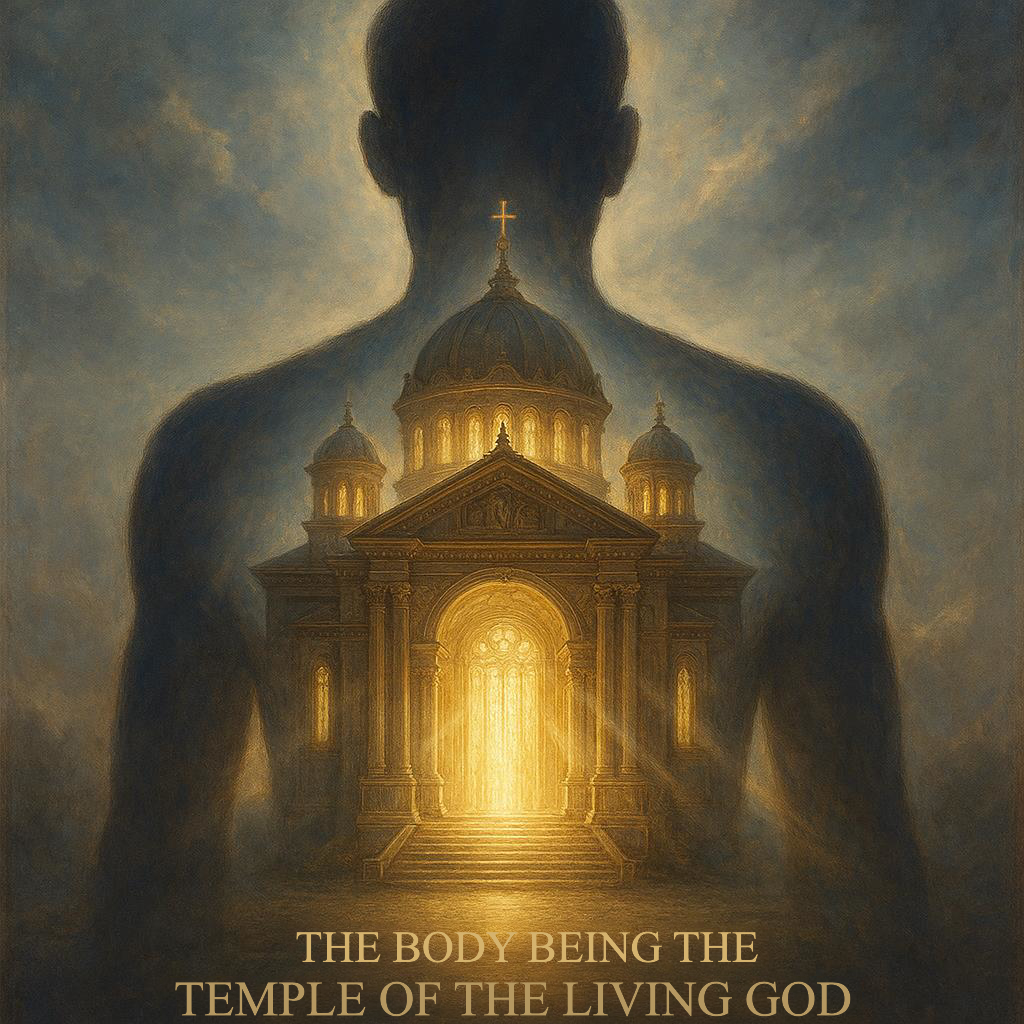
    Jesus recognizes those who belong to His Church Body — not necessarily those who simply attend a church building. His words in Matthew 7:21 are unmistakably clear: “Not everyone that says unto Me, Lord, Lord, shall enter into the Kingdom of Heaven: but he that does the will of My Father which is in Heaven.” While Sunday fellowship is a good thing and necessary, it does not take the place of the temple you are as a child of God. Acts 7:48 teaches, “Howbeit, the Most High dwelleth not in temples made with hands,” and 1 Corinthians 3:16 reminds us, “Know ye not that ye are the temple of God, and that the Spirit of God dwelleth in you?” These verses confirm that God’s temple is within His children. The will of God for your life is found within, not merely without—in the heart that invites His Spirit to dwell by accepting Jesus Christ as Lord and Savior.

    The Veil Lifts but Exposes Familiar Faces

    We are all born spiritually blind, yet within us lies a spirit that, when awakened, runs counter to the flesh. In a way, natural maturity is meant to lead us toward spiritual maturity by contrasting the pain and suffering the world offers with the rest and peace described in the Word of God. When contrast becomes discernment, we know the Holy Spirit is bearing witness with our spirit—clearing the sin-obstacles that once separated us from God and drawing us closer to Him. Scriptures that once left you clueless regarding their modern relevancy now come alive, illustrated in every thought, decision, and outcome.

    Although we are born into sin, spiritual blindness is not something that fades with age. It is not something that is reserved for the most egregious sins—murderers, thieves, the sexually immoral, or those addicted to drugs and alcohol. Career success can breed pride, and resentment can harden the heart, keeping a person rooted in spiritual blindness even in their elder years. It is a blindness that is also deafening, leaving the Holy Spirit unheard. These may be people you know and love, some who have been in your life since childhood. They may have even raised you in the church. But as your relationship with God grows, you begin to accept an unsettling truth: spiritually, they are not as they appear on the surface, and what is deep inside them stirs a sense of spiritual friction within you. This is not judgment—this is discernment, spiritual maturity leading you in a new direction.

    The Holy Spirit Illuminates Truth

    The truth the Holy Spirit leads us into is often difficult to accept. This should not surprise us, because Scripture shows that Jesus was not only a miracle worker but a teacher who spoke with sharp clarity when protecting His flock. Whether it was calling out the hypocrisy of the Pharisees, acknowledging those who honored Him with their lips while their hearts were far from Him, or teaching through parables that revealed the motives of the soul — Jesus confronted error to guard truth. It is the same with the Holy Spirit. He is a teacher, not just The One who regenerates. He uses the examples Jesus left us and exposes contrary traits in ourselves and in those around us to protect our walk with Him. This is why spiritual awakening — being born again — is essential to seeing the Kingdom of God. God will not be mocked, and He will not risk His Kingdom again to pride, resentment, or a heart that stands in opposition to Him.

    Moving from spiritual blindness to spiritual clarity is part of the process of regeneration. It does not happen instantly, in the way corrective lenses immediately sharpen poor vision; rather, spiritual clarity grows as you begin to deny the flesh. Each time you deny the flesh, you see things the way God sees them, not the way the world presents them. Discernment sharpens because the Holy Spirit is able to separate the light from darkness, something impossible with a carnal mindset. Compassion no longer seems weak. Strength is found in humility. Anxiety gives way to understanding, and focus replaces distortion. The peace that only Jesus can give becomes a reality because the noise of the world is finally quieted.

    When the world is quieted, your heart is far less likely to be troubled or afraid (John 14:27). Instead of asking what Jesus would do, you begin to understand through Scripture why Jesus had compassion for the less fortunate and righteous indignation toward the proud. When He felt overwhelmed, He turned to prayer, because He knew that prayer opens the pathway to enlightenment and understanding. In His earthly walk, Jesus did not lean on human understanding, but on the wisdom of Father God in Heaven by submitting fully to Him (Proverbs 3:5-6). Perhaps the deepest spiritual clarity comes when we as believers understand that Jesus in the flesh showed us that we are not of this world, and that our understanding of all things in the world must come from spiritual illumination—a heavenly work through which we have access to the Father through the Son.

    Scriptures Revealing God’s Glorious Light

    2 Corinthians 4:4
    “Satan, who is the god of this world, has blinded the minds of those who don’t believe. They are unable to see the glorious light of the Good News. They don’t understand this message about the glory of Christ, who is the exact likeness of God.”

    Ephesians 1:18
    “I pray that your hearts will be flooded with light so that you can understand the confident hope He has given to those He called—His holy people who are His rich and glorious inheritance.”

    Ephesians 1:19-20
    “I also pray that you will understand the incredible greatness of God’s power for us who believe Him. This is the same mighty power that raised Christ from the dead and seated Him in the place of honor at God’s right hand in the heavenly realms.”

    1 Peter 2:9
    “But you are a chosen people, a royal priesthood, a holy nation, God’s special possession, that you may declare the praises of Him who called you out of darkness into His wonderful light.”

    1 John 1:5
    “This is the message we heard from Jesus and now declare to you: God is light, and there is no darkness in Him at all.”


    A Prayer for Spiritual Illumination

    Father God in Heaven, by Your will I am in this world, but I am not of this world. Through prayer, I lean on You to give me clarity when the world distorts my understanding. By faith, I trust that Your Spirit will expose the lies of this world and reveal the truth of Your will for my life. The gift of Your grace brings me peace. You sanctified me so that I might have eternal life with You in Your heavenly realm. You redeemed me as a sinner through the blood of Your Son and lifted the veil that once blinded me. Now that I can see, I am forever thankful. In the name of my Lord and Savior, Jesus Christ, I pray. Amen.


    Trinitarian Benediction

    As you journey through this fallen world, may God’s glorious light lead you.
    May the passion of Christ Jesus illuminate your heart.
    And may the Holy Spirit be the flame that lights your spirit.

  • 2 Corinthians 3:16 Born With the Veil of Spiritual Blindness

    16. But whenever anyone turns to the Lord, the veil is taken away.

    Most Chrisitans have the beliefs they do because they were exposed to church and/or the Bible as part of their upbringing. Parents or guardians taught them to pray with the familiar words “Now I lay me down to sleep, I pray the Lord my soul to keep…” Many grew up going to church most Sundays, while others were limited to attending on holidays. And yet for others, it wasn’t church at all, they saw a Bible resting in their home everyday. Regardless of how, the understanding of God and Jesus was planted in their minds.

    But what about the heart, why doesn’t childhood exposure alone make faith take root, and the scriptures come alive for everyone? Why do most of us drift from God and deeper into a life of sin that usually begins in our teenage years? Why do we lose sight of God but still claim to believe in Him?

    The answer is found in Romans 5:19, which tells us, “For as by one man’s disobedience many were made sinners.” Even before being exposed to God, the sin nature was already in our blood. Jesus remained sinnless because He did not inherit the sin-tainted blood of Adam passed through His earthly father Joseph. His blood was pure — the blood of our Heavenly Father — which is why every beliver in Christ Jesus is cleansed through His shed blood.

    Because we are born rebellious toward God, we are born spiritually blind. Not until we accept Jesus Christ as our Lord and Savior can the Holy Spirit begin to lift the veil that separates us from God. Therefore, being taught to pray, going to church — no matter how often — or even seeing a Bible resting at home have little effect on building a relationship with God. In fact, merely professing with the mouth that Jesus is Lord and Savior has little effect when the heart remains distant. Jesus addressed this when He said in Matthew 15:8 “These people honor me with their lips, but their hearts are far from me.” A distant heart is as useless to God, as a Bible resting in the home that is rarely read.

    Without engagement, the Word cannot take root in your heart. Without the Word being rooted in your heart, the Holy Spirit cannot do the work of making you born again. Jesus was clear when He said “I tell you the truth, unless you are born again, you cannot see the Kingdom of God” (John 3:3). While the veil remains, it is impossible to be born again. Just as you don’t know the person who is behind a veil, niether does Jesus know you when you wear the veil of spiritual blindness.

    Jesus recognizes those who belong to His Church Body — not necessarily those attending a church building. His words in Matthew 7:23 are unmistakably clear: “Not everyone that says unto Me, Lord, Lord, shall enter into the Kingdom of Heaven: but he that does the will of my Father which is in Heaven.” While Sunday fellowship is a good thing, it does not take the place of the temple you are as a child of God. Acts 7:48 teaches, “Howbeit, the Most High dwelleth not in temples made with hands…” and 1 Corinthians 3:16 reminds us, “Know ye not that ye are the temple of God, and that the Spirit of God dwelleth in you?” These verses are confirmation that the will of God for you is found within, not without — in the heart that invites His Spirit to dwell, not within the walls where people gather.

  • Romans 8:28 God’s Good vs Our Good

    28. And we know that all things work together for good, to them that love God, to them who are called according to His purpose.

    The Most Misquoted Promise in Scripture

    Whether you hear it or you see it posted on social media, one of the most quoted scriptures is Romans 8:28, “And we know that all things work together for good…” But that is not where the verse ends. Without including the words “to them that love God” and “to them who are the called according to His purpose”, false expectations are formed in the hearts of believers — and unnecessary doubt is planted in the minds of unbelievers.

    Who “All Things Work Together” Actually Applies To

    Romans 8 begins with the famous declaration “There is therefore now no condemnation to them which are in Christ Jesus, who walk not after the flesh, but after the Spirit.” We see that the “called” in verse 28 are those who are in Christ Jesus and those who walk according to the Spirit. Paul solidifies this in verse 14, “For as many as are led by the Spirit of God, they are the sons of God.” Today we would say “children of God.” These verses clarify exactly who loves God and have been called according to His purpose.

    By contrast, Romans 1:5 teaches, “For they that are after the flesh, do mind the things of the flesh“, and Paul leaves no doubt that they are not called by God when he says, “Because the carnal mind is enmity against God: for it is not subject to the law of God, neither indeed can be.” These verses clarify those who do not love God and have not yet been called by Him. This does not mean that they will never be called nor that they cannot seek God for themselves — only that Romans 8:28 is not a blanket promise the way not fully quoting the verse suggests.

    When God’s Good Doesn’t Feel Good

    If you ask a person what are the “good things” God gives them, they will almost always list their material possessions, their relationship and friendships, and the job that pays their bills. While the list will vary from person to person, each one would include the things that they pray for. But if we keep Romans 8:28 in its intended context, we notice that the “things” Paul speaks of are not material or physical — and they do not stand alone. In fact, according to the text, these “things” are working: “all things work together for good.”

    Paul is not describing blessings that come from answered prayers or even the things we hope for. He’s speaking of things we probably never pray for at all — yet, if we see them through to their end, will produce the results that we did pray for. If we look at our lives as part of a collective of individuals, instead of viewing only our individual life, we begin to see that it often takes a divine cooperation of circumstances for God’s plan to unfold in our lives, and to receive the “good things” we desire. After all, every believer is a part of the larger Body of Christ — the true Church — and this is how “all things work together.” Paul is saying that the trials, tribulations, and even afflictions we face are the very instruments God uses to produce good things in our lives. He is explaining to the Roman believers, and to us, that there are spiritual processes God works through to shape His children into the image of Christ.

    When reading the New Testament it is always good to remember that the writers were inspired by the Holy Spirit to often reflect on the Old Testament. Paul even teaches us to learn from it when he says in 1 Corinthians 10:11, “Now these things happened to them as an example, and they were written for our instruction, upon whom the ends of the ages have come.” From the Old Testament we not only learn about God’s discipline and chastisement for disobedience and idolatry — we also learn how to please God and receive the desires of our heart.

    Seeing God’s Good Through Spiritual Eyes

    God does want us to speak and pray with thanksgiving, but He also wants us to show our love by seeking Him. First Chronicles 22:19 says, “Now set your heart and your soul to seek the Lord your God.” Jesus set this example throughout his earthly ministry by how often and the circumstances that led Him to prayer. After a long day of healing, He withdrew to pray (Mark 1:35). He used prayer in parables (Luke 8:19-14). He taught the disciples how to pray (Luke 11:2-4 & Matthew 6:9-13), where to pray (Matthew 6:6), and even how not to pray (Matthew 6:7-8). Jesus showed that a heart that seeks the Father is one that stays in communion with Him through prayer.

    Another way of showing your love for God — not only to Him, but to all you encounter — is by righteous living. Psalm 84:11 teaches us, “For the LORD God is a sun and shield: the LORD will give grace and glory: no good thing will he withhold from them that walk uprightly.” Our God keeps His promises and cannot lie. When we walk according to the ways of Christ, God becomes our provider for all we need, our shield from what is meant to harm us, a deliverer of the grace and glory that brings peace and comfort to our lives, and the light that shines through us to draw others to Him. Bringing glory to His name is His purpose for each one He calls — and only those who love Him have a heart posture willing to bring glory to His name.

    A Heart Aligned with His Purpose

    Romans 8:28 stands as a strong reminder that sometimes a single word or phrase gives more meaning to a verse than an entire sentence. Prayers are often made asking God to deliver us out of a situation. Promises of changing our ways are made if God would grant us this one “thing” we believe will make us feel good. But we must remember: God measures our motives by what’s in our hearts. We can lie to each other but we cannot lie to God.

    Perhaps this is why God warns in Leviticus 19:12, “And ye shall not swear by name falsely” and Jesus warns in Matthew 5:34 “But I say unto you, swear not at all, neither by Heaven, for it is God’s throne.” Ulterior motives and false promises do not go unnoticed by God — And they are often the reason a situation is prolonged instead of being resolved.

    God always knows when prayer and actions are born out of genuine love for Him. When they are, that is when “all things work together for good” and begin producing good fruit in our lives — fruit that others can see, drawing them to seek God for themselves. This is God’s glory.

    A Transformed Mind: Discerning God’s Good, Pleasing, and Perfect Will

    1. And so, dear brothers and sisters, I plead with you to give your bodies to God because of all he has done for you. Let them be a living and holy sacrifice—the kind he will find acceptable. This is truly the way to worship him.

    2. Don’t copy the behavior and customs of this world, but let God transform you into a new person by changing the way you think. Then you will learn to know God’s will for you, which is good and pleasing and perfect.

    A Prayer From a Life Called Out of Chaos

    Father God in Heaven, even as a sinner You made me Your child who belongs to You. My love for You is shown in my desire to be obedient, and obedience reveals Your will for my life. When I don’t understand situations or circumstances, I find rest knowing that Your perfect work leads to the good my heart truly desires. When my life seems out of order, the peace You give me reminds me that You called me out of the chaos — a call with the purpose of Your light shining through me. Because through every affliction, every pain, and every stumbling block you deliver me from, glory is brought to Your name. In Christ Jesus name, Amen.

  • Copy of Romans 8:28 God’s Good vs Human Good

    28. And we know that all things work together for good, to them that love God, to them who are called according to His purpose.

    Misquoting Scripture Leads to False Expectations

    Whether you hear it or you see it posted on social media, one of the most quoted scriptures is Romans 8:28, “And we know that all things work together for good…” But that is not where the verse ends. Without including the words “to them that love God” and “to them who are the called according to His purpose”, false expectations take root in the hearts of believers, while unnecessary doubt is planted in the minds of unbelievers.

    Romans 8 begins with the famous declaration “There is therefore now no condemnation to them which are in Christ Jesus, who walk not after the flesh, but after the Spirit.” We see that the “called” in verse 28 are those who are in Christ Jesus and those who walk according to the Spirit. Paul solidifies this in verse 14, “For as many as are led by the Spirit of God, they are the sons of God.” Today we would say “children of God.” These verses clarify exactly who loves God and have been called according to His purpose.

    By contrast, Romans 8:5 teaches, “For they that are after the flesh, do mind the things of the flesh“, and Paul leaves no doubt that they are not called by God when he says, “Because the carnal mind is enmity against God: for it is not subject to the law of God, neither indeed can be.” These verses clarify those who do not love God and have not yet been called by Him. This does not mean that they will never be called nor that they cannot seek God for themselves — only that Romans 8:28 is not a blanket promise the way a truncated quote often suggests.

    God Works Through Divine Cooperation

    If you ask someone to list the “good things” God has given them, they will almost always list their material possessions, their relationships and friendships, and the job that pays their bills. While the list will vary from person to person, each one would include the things that they pray for. But if we keep Romans 8:28 in its intended context, we notice that the “things” Paul speaks of are not material or physical—and they do not stand alone. In fact, according to the text, these “things” are working: “all things work together for good.”

    Paul is not describing blessings that come from answered prayers or even the things we hope for. He is speaking of things we probably never pray for at all—yet, if we see them through to their end, will produce the results that we did pray for. If we look at our lives as part of a collective of individuals, instead of viewing only our individual life, we begin to see that it often takes a divine cooperation of circumstances for God’s plan to unfold in our lives, and to receive the “good things” we desire. After all, every believer is a part of the larger Body of Christ—the true Church—and this is how “all things work together.” Paul is saying that the trials, tribulations, and even afflictions we face are the very instruments God uses to produce good things in our lives. He is explaining to the Roman believers, and to us, that there are spiritual processes God works through to shape His children into the image of Christ.

    When reading the New Testament it is always good to remember that the writers were inspired by the Holy Spirit to often reflect on the Old Testament. Paul even teaches us to learn from it when he says in 1 Corinthians 10:11, “Now these things happened to them as an example, and they were written for our instruction, upon whom the ends of the ages have come.” From the Old Testament we not only learn about God’s discipline and chastisement for disobedience and idolatry—we also learn how to please God and receive the desires of our hearts.

    God’s Good Given Through Prayer

    God does want us to speak and pray with thanksgiving, but He also wants us to show our love by seeking Him. First Chronicles 22:19 says, “Now set your heart and your soul to seek the Lord your God.” Jesus set this example throughout His earthly ministry by how often and the circumstances that led Him to prayer. After a long day of healing, He withdrew to pray (Mark 1:35). He used prayer in parables (Luke 8:9-14). He taught the disciples how to pray (Luke 11:2-4 & Matthew 6:9-13), where to pray (Matthew 6:6), and even how not to pray (Matthew 6:7-8). Jesus showed that a heart that seeks the Father is one that stays in communion with Him through prayer.

    Another way of showing your love for God—not only to Him, but to all you encounter—is by righteous living. Psalm 84:11 teaches us, “For the LORD God is a sun and shield: the LORD will give grace and glory: no good thing will He withhold from them that walk uprightly.” Our God keeps His promises and cannot lie. When we walk according to the ways of Christ, God becomes our provider for all we need, our shield from what is meant to harm us, a deliverer of the grace and glory that brings peace and comfort to our lives, and the light that shines through us to draw others to Him. Bringing glory to His name is His purpose for each one He calls—and only those who love Him have a heart posture willing to bring glory to His name.

    Truth and Love Align Your Heart With God

    Romans 8:28 stands as a strong reminder that sometimes a single word or phrase gives more meaning to a verse than an entire sentence. We often pray asking God to deliver us out of a situation. Promises of changing our ways are made if God would grant us this one “thing” we believe will make us feel good. But we must remember: God measures our motives by what’s in our hearts. We can lie to each other but we cannot lie to God.

    Perhaps this is why God warns in Leviticus 19:12, “And ye shall not swear by My name falsely” and Jesus warns in Matthew 5:34 “But I say unto you, swear not at all, neither by Heaven, for it is God’s throne.” Ulterior motives and false promises do not go unnoticed by God—and they are often the reason a situation is prolonged instead of being resolved.

    God always knows when prayer and actions are born out of genuine love for Him and from a contrite heart. When our hearts are aligned in truth, that is when “all things work together for good” and begin producing good fruit in our lives—fruit that others can see, drawing them to seek God for themselves. This is God’s glory.

    Scriptures That Reveal God’s Good

    Romans 12:1
    “And so, dear brothers and sisters, I plead with you to give your bodies to God because of all He has done for you. Let them be a living and holy sacrifice—the kind He will find acceptable. This is truly the way to worship Him.”

    Romans 12:2
    “Don’t copy the behavior and customs of this world, but let God transform you into a new person by changing the way you think. Then you will learn to know God’s will for you, which is good and pleasing and perfect.”

    James 1:17
    “Every good and perfect gift is from above, coming down from the Father of the heavenly lights, who does not change like shifting shadows.”

    Psalm 37:4
    “Delight yourself also in the LORD, and He shall give you the desires of your heart.”

    Colossians 1:10
    “So that you may live a life worthy of the Lord and please Him in every way: bearing fruit in every good work, growing in the knowledge of God.”


    A Prayer From a Life Called Out of Chaos

    Father God in Heaven, even as a sinner You made me Your child who belongs to You. My love for You is shown in my desire to be obedient, and obedience reveals Your will for my life. When I do not understand situations or circumstances, I find rest knowing that Your perfect work leads to the good my heart truly desires. When my life seems out of order, the peace You give me reminds me that You called me out of the chaos—a call with the purpose of Your light shining through me. Because through every affliction, every pain, and every stumbling block You deliver me from, glory is brought to Your name. In the name of my Lord and Savior, Jesus Christ, I pray. Amen.


    Trinitarian Benediction

    May the glorious light of God always surround you and lead you.
    May your heart be a testimony to the glory of Christ Jesus.
    And may the Holy Spirit lead you to the good and perfect will of God for your life.

  • Romans 8:17-18 The Adoption, The Brotherhood, and Life After Life

    17. And if children, then heirs, heirs of God, and joint heirs with Christ: if so be that we suffer with him, that we may be also glorified together.
    18. For I reckon, that the sufferings of this present time, are not worthy to be compared with the glory which shall be revealed in us.

    Truths About Adoption Into God’s Eternal Family

    With a profound ability to illustrate the Christian identity, Paul paints a masterpiece with Romans 8:17,18. In just two verses, we learn five truths that apply to every believer: we are adopted into God’s family; we are brothers and sisters with Christ; and our faith is in the life to come. We also learn that there is glory to be gained in our sufferings, and that our afflictions affirm who we are in Christ — provided we remain faithful to Him.

    As believers, we know that the adoption into God’s family and the inheritance of salvation are real. We know this not only because the Holy Spirit testifies to this truth within our spirit — in a way that is only understood once we are born again spiritually — but also by the fact that adoption forms a foundational pillar of Christianity. It is also echoed by almost all of the New Testament writers. Matthew, Luke, John, James, the writer of Hebrews, and Peter were all inspired at different times, in different places, and without the knowledge of each others writings. Yet each of them wrote about being adopted by God and becoming heirs with Christ.

    The Brotherhood We Share With Jesus Christ

    Being adopted into God’s family means you are never alone in this temporal world. This is one reason Scripture emphasizes fellowship. John 1:7 teaches us that, “If we walk in the light, as He is in the light, we have fellowship one with another.” This shows that when we follow the path of Christ, we will recognize and be recognized by our brothers and sisters in the world. Hebrews 10:24,25 reminds us to “not forsake the assembling of ourselves together” because when believers gather together we encourage one another to walk in love instead of anger, and to always choose good over evil. Fellowship with our brothers and sisters makes it easier to travel the path less taken — the one that leads to the straight gate (Matthew 7:14).

    Not only do we have the strength of Christ when we are adopted into God’s family, but we also gain the service of His holy angels. We learn who the angels are in Hebrews 1:14, “Are not all angels ministering spirits sent to serve those who will inherit salvation?” This does not mean that God’s angels are in subjection to His children, but that as His children we receive their assistance as we walk toward our salvation. Even Jesus was made a little lower than the angels (Hebrews 2:7), yet the angels ministered to Him after His temptation. Matthew 4:11 tells us, “Then the devil left Him, and behold, angles came and ministered to Him.” The angels would have been a comforting presence to Jesus, providing mental and physical rejuvenation that would renew His hope and strength to begin His earthly ministry.

    Although our physical eyes are blind to the spiritual realm where the angels dwell, adoption opens our spiritual heart to sense their presence and their work on our behalf. The ministry of angels enables God to work through His children, allowing His glorious light to flow from them into the darkness of the world.

    Suffering With Christ, Glorified With Christ

    Following Christ ensures afflictions and times of trouble — just as He suffered for us, we suffer with Him as His brothers and sisters. Unbelievers suffer as well, but without the inheritance of God their suffering continues in eternity. For believers, our sufferings are temporary mental and physical challenges that will not follow us into eternity. In eternity we will live free of stress, pain, and even conviction of sins — because sin will not exist in Heaven. The glory within us will be revealed in our resurrected bodies — perfect bodies free from sickness and disease just as Adam and Eve were before the fall.

    Notice when Jesus appeared to His disciples He said, “Handle me, and see, for a spirit hath not flesh and bones, as ye see Me have” (Luke 24:39). He did not say “flesh and blood” as we describe our earthly bodies, because in a resurrected state life is no longer sustained by blood. Life is eternal, flowing directly from the glory of the Father.

    When we accept Jesus Christ as our Lord and Savior, we may lose people, attitudes, and possessions that were contrary to God’s way — but we gain so much more. Adoption gives us a family with whom we can share a life aligned with God, making what we left behind feel like addition by subtraction. We no longer suffer through trials and hardships alone, and understanding how Christ suffered makes our own struggles easier to bear. We understand that our difficulties are symptoms of a fallen world, not signs of an angry God. We thrive knowing that our continued faith and our walk in His Spirit leads to incomparable glory, and to life after life.

    A Prayer With Thanksgiving For Heavenly Adoption

    Father God in Heaven, I thank you for the gift of Your Heavenly family — not only in Your Kingdom for eternity, but here on earth for the short time I am here. The sacrifice of Your Son cleansed me of my sins, gave me a Brother, and granted me an inheritance I now share with Jesus. Although I’m not deserving of Your gifts or Your promises, Your love would not keep them from me once I sought You with my whole heart, just as You promised. I thank you in Jesus Name, Amen.

  • Copy of Romans 8:17-18 The Adoption, the Brotherhood, and Life After Life

    17. And if children, then heirs, heirs of God, and joint heirs with Christ: if so be that we suffer with him, that we may be also glorified together.
    18. For I reckon, that the sufferings of this present time, are not worthy to be compared with the glory which shall be revealed in us.

    Adoption Into God’s Family: An Eternal Blessing

    With a profound ability to illustrate the Christian identity, Paul paints a masterpiece with Romans 8:17-18. In just two verses, we learn five truths that apply to every believer: we are adopted into God’s family; we are brothers and sisters with Christ; and our faith is in the life to come. We also learn that there is glory to be gained in our sufferings, and that our afflictions affirm who we are in Christ—provided we remain faithful to Him.

    As believers, we know that adoption into God’s family and the inheritance of salvation are real. We know this not only because the Holy Spirit testifies to this truth within our spirit—in a way that is only understood once we are born again spiritually—and by the fact that adoption forms a foundational pillar of Christianity. It is also echoed by almost all of the New Testament writers. Matthew, Luke, John, James, the writer of Hebrews, and Peter were all inspired at different times, in different places, and without the knowledge of each other’s writings. Yet each of them wrote about being adopted by God and becoming heirs with Christ.

    The Brotherhood We Share With Jesus Christ

    Hebrews 2:11-12 is a beautiful declaration: “Both Jesus who sanctifies and those who are sanctified [that is, spiritually transformed, made holy, and set apart for God’s purpose are all from one Father; for this reason He is not ashamed to call them brothers and sisters, saying, “I WILL DECLARE YOUR NAME TO MY BRETHREN, IN THE MIDST OF THE CONGREGATION I WILL SING YOUR PRAISE.”

    Being adopted into God’s family means you are never alone in this temporal world. This is one reason Scripture emphasizes fellowship. John 1:7 teaches us that, “If we walk in the light, as He is in the light, we have fellowship one with another.” This shows that when we follow the path of Christ, we will recognize and be recognized by our brothers and sisters in the world. Hebrews 10:24-25 reminds us to “not forsake the assembling of ourselves together” because when believers gather together we encourage one another to walk in love instead of anger, and to always choose good over evil. Fellowship with our brothers and sisters makes it easier to travel the path less taken—the one that leads to the strait gate (Matthew 7:14).

    Not only do we have the strength of Christ when we are adopted into God’s family, but we also gain the service of His holy angels. We learn who the angels are in Hebrews 1:14, “Are not all angels ministering spirits sent to serve those who will inherit salvation?” This does not mean that God’s angels are in subjection to His children, but that as His children we receive their assistance as we walk toward our salvation. Even Jesus was made a little lower than the angels (Hebrews 2:7), yet the angels ministered to Him after His temptation. Matthew 4:11 tells us, “Then the devil left Him, and behold, angels came and ministered to Him.” The angels would have been a comforting presence to Jesus, providing mental and physical rejuvenation that would renew His hope and strength to begin His earthly ministry.

    Although our physical eyes are blind to the spiritual realm where the angels dwell, adoption opens our spiritual heart to sense their presence and their work on our behalf. The ministry of angels enables God to work through His children, allowing His glorious light to flow from them into the darkness of the world.

    Suffering With Christ, Glorified With Christ

    Following Christ inevitably brings afflictions and times of trouble—just as He suffered for us, we suffer with Him as His brothers and sisters. But as children of God adopted into His family, we are assured of God’s comfort. Just as Paul says of God in 2 Corinthians 1:4, “He comforts us in all our troubles so that we can comfort others. When they are troubled, we will be able to give them the same comfort God has given us.

    Unbelievers suffer as well, but without the inheritance of God their suffering continues in eternity. For believers, our sufferings are temporary mental and physical challenges that will not follow us into eternity. In eternity we will live free of stress, pain, and even conviction of sins — because sin will not exist in Heaven. The glory within us will be revealed in our resurrected bodies — perfect bodies free from sickness and disease just as Adam and Eve were before the fall.

    Notice when Jesus appeared to His disciples He said, “Handle me, and see, for a spirit hath not flesh and bones, as ye see Me have” (Luke 24:39). He did not say “flesh and blood” as we describe our earthly bodies, because in a resurrected state life is no longer sustained by blood. Life is eternal, flowing directly from the glory of the Father.

    When we accept Jesus Christ as our Lord and Savior, we may lose people, attitudes, and possessions that were contrary to God’s way—but we gain so much more. Adoption gives us a family with whom we can share a life aligned with God, making what we left behind feel like addition by subtraction. We no longer suffer through trials and hardships alone, and understanding how Christ suffered makes our own struggles easier to bear. We understand that our difficulties are symptoms of a fallen world, not signs of an angry God. We thrive, knowing that our continued faith and our walk in His Spirit leads to incomparable glory, and to life after this life.

    Scriptures About God Adopting His Children

    Ephesians 1:5
    “God decided in advance to adopt us into His own family by bringing us to Himself through Jesus Christ. This is what He wanted to do, and it gave Him great pleasure.”

    Romans 8:15
    “So you have not received a spirit that makes you fearful slaves. Instead, you received God’s Spirit when He adopted you as His own children. Now we call Him, “Abba, Father.’”

    1 John 3:1
    “See what great love the Father has lavished on us, that we should be called children of God! And that is what we are! The reason the world does not know us is that it did not know Him.”

    Mark 3:34-35
    “And looking about at those who sat around Him, He said, “Here are My mother and My brothers! For whoever does the will of God, He is My brother and sister and mother.”

    1 John 4:16
    “And we have known and believed the love that God has for us. God is love, and he who abides in love abides in God, and God in him.”


    A Prayer With Thanksgiving For Heavenly Adoption

    Father God in Heaven,

    I thank you for the gift of Your heavenly family—not only in Your Kingdom for eternity, but here on earth for the short time I am here. The sacrifice of Your Son cleansed me of my sins, gave me a Brother, and granted me an inheritance I now share with Jesus. Although I am not deserving of Your gifts or Your promises, Your love would not keep them from me once I sought You with my whole heart, just as You promised. In the name of my Lord and Savior, Jesus Christ, I pray. Amen.


    Trinitarian Benediction

    May you always know that God is your Father and you are His child.
    May your heart always feel the love of Christ Jesus as one of His own.
    And may the Holy Spirit share His love with your spirit always and forever.