“To execute judgment on all, to convict all who are ungodly among them
of all their ungodly deeds which they have committed in an ungodly way, and of all the harsh things which ungodly sinners have spoken against Him.”
“Ungodly” means not accepting God; sinful; wicked; refusing to conform to God’s standards. It is a word seldom used today, yet it perfectly describes much of our global culture. Jude not only draws parallels between false teachers and all who rebel against God—he also uses the word ungodly in verse 15 to describe them: “To execute judgment on all, to convict all who are ungodly among them of all their ungodly deeds which they have committed in an ungodly way, and of all the harsh things which ungodly sinners have spoken against Him.”
It may be difficult to accept, but ungodly actors can be found in church settings. Jude addresses some of them in verse 12 calling them “spots in your feasts of charity, when they feast with you, feeding themselves without fear.”
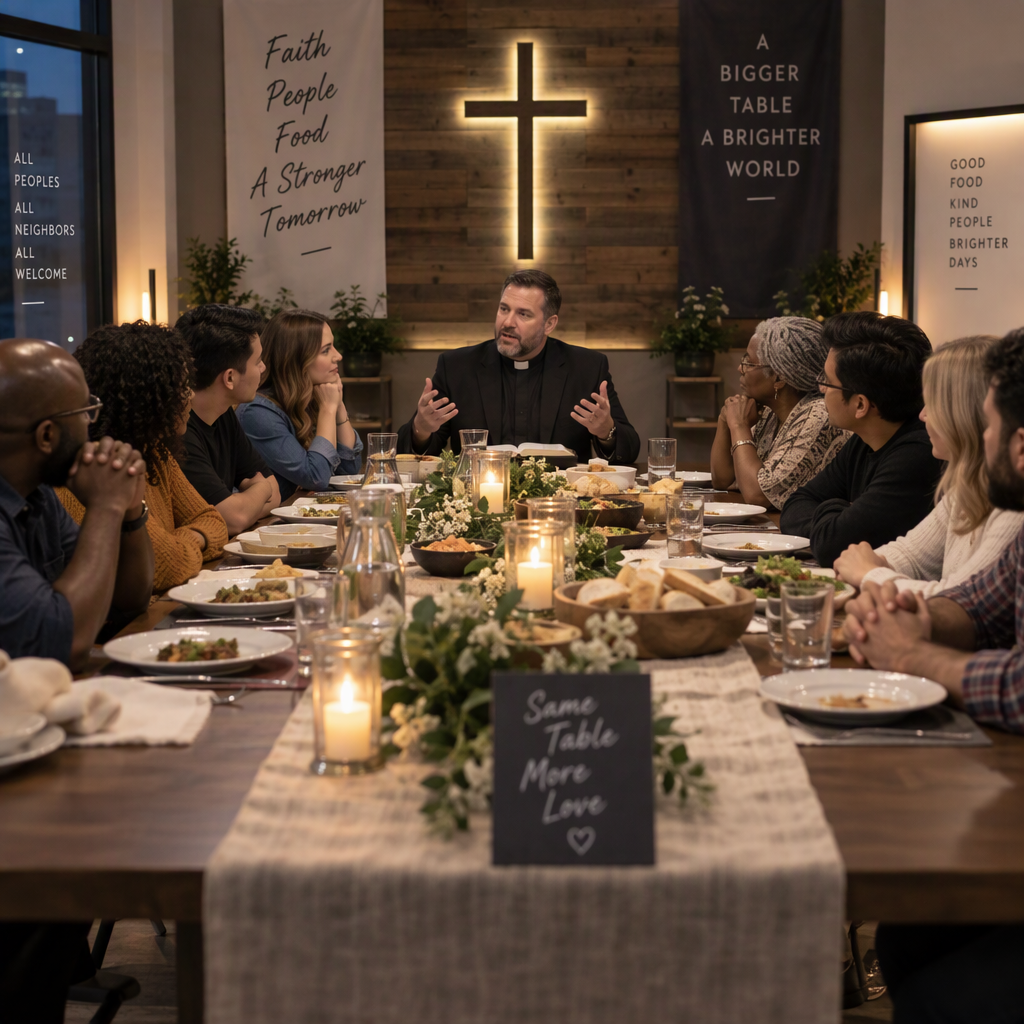
We know from 1 Corinthians 13 that the word ‘charity’ in King James and older translations is the Greek word agapē, meaning love. In Jude 13, the Greek word agapai, meaning the act of love, is used. So “feasts of charity” refers to love-feasts—communal meals held by the early church to express their Christian love, unity, and fellowship. As a child, I remember attending the fish fry the church I attended would have every few Sundays. This was common among African American churches in the 70’s and 80’s. Other churches would have potluck dinners. These meals would be similar to the “feasts of charity” that Jude is addressing.
Jude is pointing out not only false teachers, but also Christians in name only who claimed the name of Christ yet had no genuine love for the body of believers. They attended the love-feasts without caring for their brothers and sisters in Christ, having no desire to serve, encourage, and build up the Church—but only to satisfy their own selfish desires. This is not unlike today, where we see many attend church as an illustration of their belief rather than a heartfelt need to worship and fellowship with other believers. Some may even donate goods or attend church functions, enhancing their Christian image, while hardly exhibiting the fruit of the Spirit in their daily walk. We are warned about such individuals not so we can judge them, but so we can identify them—and avoid being entangled with them or becoming like them.
He further describes these false teachers and false-believers as “clouds without water” meaning they give the appearance of having faith, yet their faith is dry and empty—unable to nourish the soul by providing the “living water” of Christ (John 4:10). He goes on to say they are “carried about of winds”, suggesting that whatever belief they claim is not rooted in truth. Instead their doctrines would change with every new and popular idea; they were without conviction and unable to offer spiritual direction.
Jude continues: “Trees whose fruit withers, without fruit, twice dead, plucked up by the roots.” This illustrates that their teachings cannot produce the fruit of the Spirit and therefore have no spiritual benefit—their message and beliefs are spiritually dead. These are those whom Jesus addressed in Matthew 7:23 when He quite plainly stated: “And then will I profess unto them, I never knew you: depart from me, ye that work iniquity.” Just as Jesus does not recognize them as brothers and sisters, we are to recognize their ungodliness—not so we can judge them, but so we can protect ourselves, guard the image of the Christian faith, and avoid teachings that pervert and even abuse the Word of God.