- And the Spirit and the bride say, “Come!” And let him who hears say, “Come!” And let him who thirsts come. Whoever desires, let him take the water of life freely.
Many believers debate whether free will exists or not. As followers of Christ we are called to be mature in our spiritual understanding, and spiritual maturity allows us to read between the lines of scripture. Between those lines—and in life in general—we recognize that every day is filled with options: to sin or not to sin, to obey or be disobedient.
Possibly, the confusion for many comes from the doctrines of being chosen and predestined. Romans 8:29 declares: “For those God foreknew He also predestined to be conformed to the image of His Son, that He might be the firstborn among many brothers and sisters.” But does this mean that God has made our choices for us? Or does it mean that our all-knowing God can fulfill His will for us despite our mistakes and bad decisions—as long as we choose to answer His call? We must consider Romans 8:28, “And we know that in all things God works for the good of those who love Him, who have been called according to his purpose.”
Although isolated by early theologians such as John Calvin and Jacobus Arminius, the doctrines of being chosen and predestined were never meant to stand apart from the core truths of the Gospel—that salvation comes by accepting Jesus as Lord and Savior, and that although we are to follow His example to live by, God has given us freedom to choose how we live.
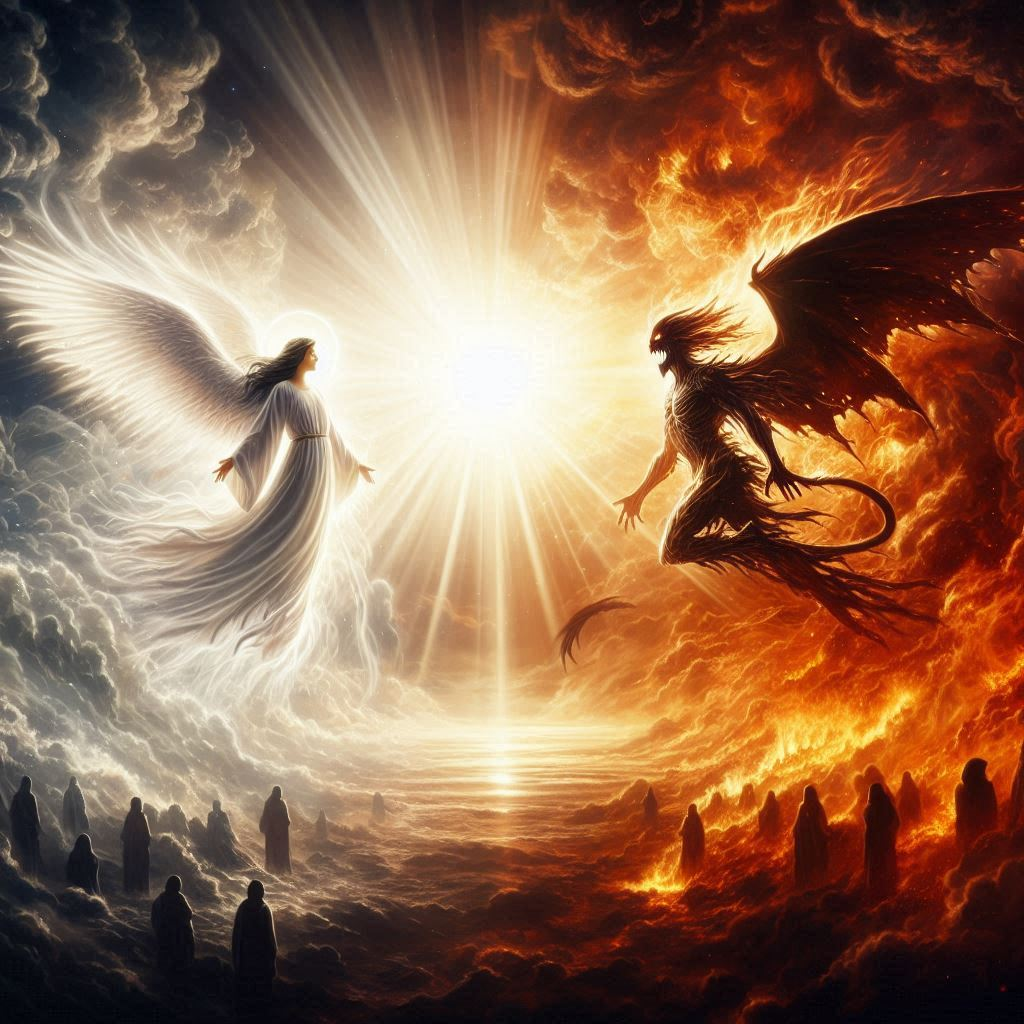
It’s clear from the first two humans that God created—Adam and Eve—that free will was a part of the human design. God did not plant the Tree of Knowledge of Good and Evil to tempt them, but because love, or the lack of it, can only be expressed through obedience or disobedience. Mankind is not the only part of God’s creation that demonstrates choice. Lucifer and the third of the angels cast out of heaven had the option to honor God or themselves—and they chose themselves. The sons of God, often called Watchers, did not have to take the women of earth as wives, yet they did, and the Nephilim were born—a chain of events that ultimately led to the flood.
But having options and free will are not the same in God’s eyes. The angels, like mankind, have options when making decisions, but unlike mankind, angels do not have the gift of free will—and this difference is reflected in God’s forgiveness of sin.
Not only did Lucifer and his cohorts receive swift judgment for their rebellion, but other angels who sinned against God did as well. Jude tells us in verse 6 of his Epistle, “And I remind you of the angels who did not stay within the limits of authority God gave them but left the place where they belonged. God has kept them securely chained in prisons of darkness, waiting for the great day of judgment.” God does not give His angels the option to repent. There is no path to redemption for His heavenly servants, as there is for God’s earthly children.
Perhaps the simplest and most effective way to explain the idea of free will is this: humans can repent, but do not have to. We can be redeemed and our sins forgiven if we accept Jesus Christ as our Lord and Savior, but we do not have to. The way in which each of us uses our free will determines if we spend eternity in heaven in the presence of God, or in the lake of fire reserved for those who choose to reject Him, along with the angels who chose the same.